If you’re reading this, chances are you’ve either just bought your first dropside pickup, or you’re eyeing one and want to know how to drive it like you actually mean it. As a dropside pickup truck supplier, I’ve seen all kinds of drivers mess up these trucks—from hauling too much without checking weight limits, to slamming the bed doors because they don’t know how they’re designed to work. Let me break this down straight, no fancy jargon, just stuff I’ve learned from working with guys who use these trucks every single day for work, hobbies, and everything in between. Dropside Pickup Truck

First off, let’s get one thing clear: a dropside isn’t a sedan, and it’s not a workhorse that you can treat like a tank. The side panels (that’s the “dropside” part) are lightweight for a reason—they fold down quickly for loading big stuff, but they’re not meant to hold super heavy items unless you’ve got them secured right. A lot of new drivers make the mistake of piling 1,500 lbs of gravel on the bed sides, just because the bed’s rated for 2,000 lbs total. That’s how you bend a side panel or knock a hinge right off. So my first rule: always distribute weight low and centered. Heavy stuff goes on the floor of the bed, not leaning against the sides, and don’t load more than 80% of the payload capacity. If your truck’s payload is 2,200 lbs, don’t push 1,700 lbs—leave a little room for stuff you can’t plan for, like tools or a cooler.
Now, driving in general. Dropsides sit a little higher than regular pickups because the side panels add some height, and a lot of guys jack them up for off-roading, but even stock ones handle differently when you’re hauling stuff. When you’re accelerating, don’t floor it like you would in a small car. These trucks have more weight back near the rear wheels, so hard acceleration can make the rear end spin if you’re on wet pavement. I’ve seen it happen too many times—some guy takes off from a stop sign fast, the rear slides, and he ends up scraping a side panel against a curb. Take it slow when pulling away, especially if your bed’s got anything heavy in it.
Braking is another big one. Dropside pickups have longer stopping distances than cars, plain and simple. If you’re used to stopping in 100 feet in your sedan, this truck’s gonna take 150 to 200 feet, easy. That’s why you need to leave extra space between you and the car in front—like, at least two seconds of following time, not that “one car length for every 10 mph” rule we all used to learn as teens. When you’re hauling a load, add another second or two, because the extra weight makes the brakes work harder. And whatever you do, don’t slam on the brakes unless it’s an emergency. That’s how stuff shifts around in the bed, which can damage your dropside panels or even fly out and hit another car.
Turning corners is where a lot of new dropside drivers get messed up. The wheelbase on these trucks—wait, no, not all, but the midsize and full-size ones—wait, let’s be real, most dropsides people buy are midsize for smaller jobs, but even then, the turning radius is way bigger than a car. You can’t just cut into a parking spot like you would in a Honda Civic. Plan your turns wide, especially if you’re hauling something long, like a ladder or a sheet of plywood sticking out the back. If you turn too tight, you’ll either scrape the side of the truck against a curb, or the load will hit the road. I once had a customer bring in a dropside with a scratch on the side because he turned too sharp to get into a coffee shop parking lot, and the plywood he had propped against the panel hit a fire hydrant. Fixing that scratch cost him more than a year of cleaning his truck regularly. Oh, and don’t forget the height! Even if you don’t have a ton of stuff in the bed, the top of the dropside panel is higher than most cars, so watch for low overpasses or drive-thrus. I’ve had guys try to fit their dropside into a grocery store drive-thru and get the whole side panel stuck on the top bar—total nightmare, and it’s 100% avoidable.
Now, what about when you’re not hauling anything? A lot of people treat empty dropsides like they’re the same as empty regular pickups, but no—those side panels add extra weight up top, which affects handling. Empty, you might feel a little more top-heavy when you’re going around fast curves, especially if you’re driving on a windy day. Wind is a huge one with dropsides! If you’ve got the panels up (closed), the wind can catch the side of the truck more than a regular pickup, so don’t drive 80 mph on the highway during a storm unless you have to. If the panels are down for loading, even worse—wind can push against the side of the truck, making it drift. I learned that the hard way a few years back when I borrowed a buddy’s dropside to move a couch, and I forgot how much the side panels down let wind in—I had to ease off the gas every time a semi passed, because it would make the truck swerve a little.
Hauling with dropsides specific stuff: securing the bed doors. The hinges on a dropside are designed to hold the side panels when they’re down, but when they’re up, you have to latch them properly. A lot of drivers just flip the latch and call it a day, but if it’s not clicked all the way, the panel can pop open while you’re driving. That’s dangerous—you don’t want a 50-pound side panel flapping in the wind at 60 mph. Always test the latches after you close them, and if they’re old or stiff, get them tightened or replaced. It’s way cheaper than a new panel. Also, if you’re loading really heavy stuff, like a lawnmower or a big toolbox, don’t drag it across the dropside panel. That can scratch or dent the metal, and over time, it weakens the panel. Use a ramp for heavy items, and put a mat down if you’re moving sharp stuff like metal pipes.
Off-roading with a dropside? Wait, some people use these trucks for that too, right? If you’re taking yours on dirt trails, adjust your style a little. Don’t go too fast over bumps, because the top-heavy design (even empty) can make the truck tip easier. And if you’ve got stuff in the bed, make sure it’s tied down super tight—off-road driving makes things bounce around a lot, and unsecured stuff can shift, mess up your balance, or damage the dropside panels. I’d also recommend lowering your tire pressure a little for off-roading, not just for traction, but because it makes the ride smoother, so less jostling of whatever’s in the bed.
Wait, let’s talk about maintenance ties into driving style, too. How you drive affects how often your dropside needs work. If you’re always slamming the doors or loading way too heavy, the hinges and latches will wear out faster, and you’ll have to replace parts more often. If you drive smooth, take your time accelerating and braking, you’ll save on gas too—dropside pickups aren’t the most fuel-efficient, but driving steady can get you 2-3 mpg more than jackrabbit starts and hard stops. That adds up over a year, right? I had a customer who used to drive his dropside like a race car, and he was getting 12 mpg. After he slowed down, he was getting 15 mpg, and he saved like $400 a year on gas. Not bad for changing your driving style a little.
Now, common mistakes I see all the time, let’s list those because they’re easy to fix. First, overloading the bed. So many guys think “it’s a truck, I can put anything in it.” No, check the owner’s manual—your truck has a payload limit, which is everything: people, gas, tools, stuff in the bed. If you have three people in the cab, that’s 450 lbs right there, so you can only add 1,750 lbs to the bed, not 2,200. That’s the number one cause of broken suspension and bent dropside panels. Second, not securing loads. I can’t tell you how many times we’ve had drivers bring in a truck with a dent in the side because a load shifted and hit it. Use tie-downs, not just one, two at least, and attach them to the bed’s tie-down points, not the dropside panels. Third, cutting turns too tight. That’s how you scratch the side or scrape the back of the cab. Fourth, forgetting the height of the dropside. I’ve seen a guy have his side panel torn off entirely because he drove under a low bridge—total avoidable.
What about city driving? If you use your dropside for work in the city, it’s a different story than highway driving. You’re stop-and-go all day, so smooth acceleration and braking are even more important. Those repeated hard stops wear out your brakes faster, and hard accelerations kill your gas mileage. Also, parking—dropsides are longer than sedans, so you can’t squeeze into those tiny parallel parking spots. Look for spots that are at least a foot longer than your truck, and take your time backing in, because the side panels stick out a little more than the back of a regular pickup.
Wait, should I mention different types of dropsides? Like, some are steel, some are aluminum. Aluminum dropsides are lighter, so they handle a little better, but they’re more prone to dents if you drag heavy stuff across them. Steel is heavier, sturdier, but worse gas mileage. So your driving style might adjust a little based on which one you have—if you have aluminum, you might be a little more careful not to scratch the panels, if you have steel, you can be a little rougher, but still not overdo it.
I get it, a lot of people buy dropside pickups because they’re built to work hard, so you don’t want to baby them. But “baby” doesn’t mean driving like an old lady—it means driving smart. These trucks are durable, but they’re not indestructible. Treating them right means they’ll last longer, save you money on repairs, and be safer to drive for you and other people on the road.
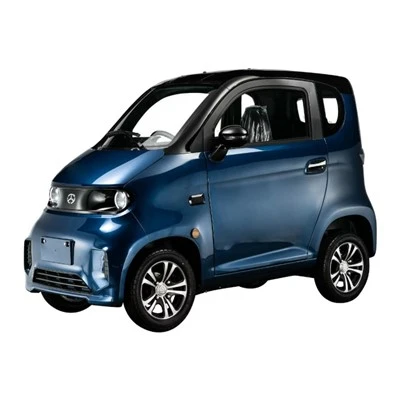
If you’re in the market for a dropside pickup, or you’re looking to upgrade yours, let’s chat. We work with all kinds of drivers—from small business owners who use their truck every day, to weekend warriors who haul tools or camping gear—and we can help you pick the right model for how you actually use it. Whether you’re hauling lumber for a job site, moving furniture, or just taking your bike to the trail, we’ve got dropside pickups built to fit your style of driving. Don’t guess what works—talk to someone who’s been around these trucks for years, and we’ll help you get set up right.
Low-speed Electric Passenger Car References
- National Highway Traffic Safety Administration. (2021). Light Truck Driving Safety Guidelines.
- Automotive Manufacturers Association. (2022). Pickup Truck Payload and Handling Best Practices.
- Truck Equipment Manufacturers Association. (2020). Dropside Pickup Maintenance and Operation Manual.
Taizhou Xiangyuan New Energy Technology Co., Ltd.
As one of the most professional drop-side pick up truck manufacturers and suppliers in China, we’re featured by quality products and low price. Please rest assured to wholesale cheap drop-side pick up truck made in China here from our factory. Contact us for customized service and pricelist.
Address: NO.7HUANGJIN ROAD,METAL RESOURCES RECYCLING INDUSTRY BASE, LUQIAO, TAIZHOU, ZHEJIANG
E-mail: order@jiajiev.com
WebSite: https://www.jiaji-ev.com/
