When it comes to sourcing another parts for your specific needs, the process can seem daunting. As a seasoned supplier in the another parts industry, I’ve witnessed firsthand the challenges and questions that customers face. In this blog, I’ll share some valuable insights and practical tips on how to choose the right another parts to meet your requirements. Another Parts
Understanding Your Needs
The first and most crucial step in choosing the right another parts is to have a clear understanding of your needs. This involves a comprehensive analysis of your project or application. Consider the following aspects:
Functionality
What is the primary function that the another part needs to perform? For example, if it’s a component in a manufacturing process, does it need to withstand high temperatures, pressure, or chemical exposure? If it’s for a consumer product, does it need to be user – friendly, durable, or aesthetically pleasing? Understanding the functionality requirements will narrow down your options significantly.
Compatibility
Ensure that the another part is compatible with the existing system or equipment. This includes physical compatibility, such as size, shape, and mounting options, as well as electrical or mechanical compatibility. For instance, if you’re replacing a part in an electronic device, it must have the correct voltage, current, and signal specifications to work seamlessly with the rest of the circuit.
Performance Requirements
Determine the performance metrics that the another part must meet. This could include factors like speed, accuracy, efficiency, and reliability. For example, in a high – speed production line, a part with a fast operating speed and high reliability is essential to maintain productivity.
Researching the Market
Once you have a clear understanding of your needs, it’s time to research the market. Here are some key steps in this process:
Identify Reputable Suppliers
Look for suppliers with a good reputation in the industry. You can start by asking for recommendations from colleagues, friends, or industry associations. Online reviews and ratings can also provide valuable insights into the quality of a supplier’s products and services. A reputable supplier is more likely to offer high – quality another parts and reliable customer support.
Compare Product Offerings
Different suppliers may offer similar another parts with varying features, quality levels, and prices. Take the time to compare the product offerings of multiple suppliers. Look at the specifications, materials, manufacturing processes, and any additional services or warranties that are included. This will help you make an informed decision and get the best value for your money.
Evaluate Supplier Capabilities
In addition to the products themselves, it’s important to evaluate the capabilities of the suppliers. This includes their production capacity, lead times, and ability to handle custom orders. If you have specific requirements or need a large quantity of parts, you’ll want to work with a supplier who can meet your needs in a timely and efficient manner.
Assessing Quality
Quality is a critical factor when choosing another parts. Here are some ways to assess the quality of the products:
Material Selection
The quality of the materials used in the manufacturing of another parts can have a significant impact on their performance and durability. For example, in metal parts, the grade of steel or aluminum can affect its strength and corrosion resistance. Look for suppliers who use high – quality materials and have a strict quality control process in place to ensure consistency.
Manufacturing Processes
The manufacturing processes used to produce the another parts can also influence their quality. Advanced manufacturing techniques, such as precision machining, injection molding, or 3D printing, can result in parts with higher accuracy and better surface finishes. Ask the supplier about their manufacturing processes and how they ensure quality control during production.
Testing and Certification
Reputable suppliers will conduct various tests on their another parts to ensure they meet the required quality standards. This may include mechanical testing, electrical testing, or environmental testing. Additionally, look for products that have relevant certifications, such as ISO, CE, or UL certifications, as these indicate that the parts have been tested and meet international quality and safety standards.
Considering Cost
Cost is, of course, an important consideration when choosing another parts. However, it’s important to balance cost with quality and other factors. Here are some tips on managing cost:
Get Multiple Quotes
Don’t settle for the first quote you receive. Reach out to multiple suppliers and get detailed quotes for the another parts you need. This will allow you to compare prices and identify any cost – saving opportunities. However, be wary of quotes that are significantly lower than the average, as they may indicate lower quality.
Evaluate Total Cost of Ownership
When comparing costs, consider the total cost of ownership rather than just the purchase price. This includes factors such as maintenance costs, replacement costs, and energy consumption over the life of the part. A higher – priced part that is more reliable and efficient may actually result in lower total costs in the long run.
Negotiate with Suppliers
Once you have selected a shortlist of suppliers, don’t be afraid to negotiate. Many suppliers are willing to offer discounts or better terms, especially if you’re placing a large order or have a long – term business relationship. Be prepared to negotiate on price, delivery terms, and payment options to get the best deal.
Managing Risk
There are always some risks associated with sourcing another parts. Here are some ways to manage these risks:
Supplier Reliability
As mentioned earlier, choose a reliable supplier with a proven track record. This will reduce the risk of late deliveries, quality issues, or other problems. You can also consider working with multiple suppliers to diversify your risk.
Intellectual Property Protection
If you’re working with custom – designed another parts, it’s important to protect your intellectual property. Make sure you have a clear agreement with the supplier regarding ownership of the design and any related intellectual property rights.
Contingency Planning
Develop a contingency plan in case of unexpected events, such as supply chain disruptions, quality issues, or changes in demand. This may include having alternative suppliers on standby, maintaining a safety stock of critical parts, or having a plan to quickly ramp up production if needed.
Making the Decision
After considering all of the above factors, it’s time to make a decision. Choose the another parts and supplier that best meet your needs in terms of functionality, compatibility, quality, cost, and risk management. Once you’ve made your decision, communicate your requirements clearly to the supplier and establish a detailed purchase agreement.
Contact for Procurement
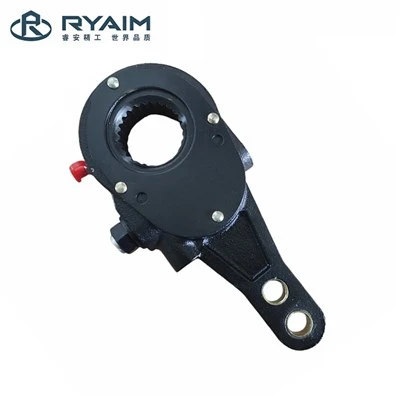
China Truck Series Automatic Slack Adjuster If you’re in the process of sourcing another parts and have any questions or need further assistance, I’d be more than happy to help. As a professional another parts supplier, I have the expertise and resources to provide you with high – quality products and excellent customer service. Whether you have a small – scale project or a large – scale production requirement, we can work together to find the right solutions for your needs. Reach out to us to start a discussion about your procurement requirements.
References
- Automotive Industry Standards Handbook
- Electronics Component Selection Guide
- Manufacturing Engineering Textbooks
Zhejiang Ryaim Auto Parts
As one of the most professional auto parts manufacturers and suppliers in China, we’re featured by quality products and good service. Please feel free to wholesale custom made auto parts from our factory. Contact us for more details.
Address: No. 78, Yexiao Road, Yaojiang Town, Zhuji City, Zhejiang Province
E-mail: bd@zjryaim.com
WebSite: https://www.ryaimchina.com/
