In the realm of Japanese gardens, the water basin, known as "tsukubai," stands as a symbol of tranquility, purification, and aesthetic refinement. As a dedicated supplier of Japanese Garden Water Basins, I’ve had the privilege of witnessing firsthand the profound impact these basins can have on a garden’s ambiance and the people who experience it. In this blog, we’ll explore the multifaceted purposes of a Japanese garden water basin, delving into its historical, cultural, and practical significance. Japanese Garden Water Basin
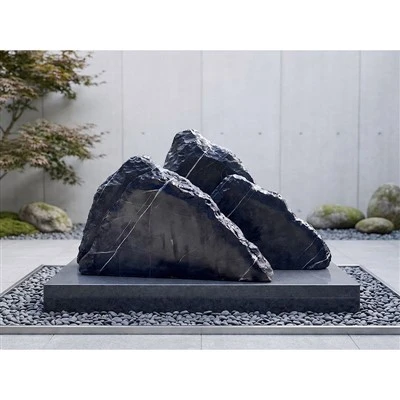
Historical and Cultural Significance
The tradition of the tsukubai dates back centuries in Japanese culture, deeply rooted in the principles of Zen Buddhism and the art of tea ceremony. In the context of tea houses and gardens, the water basin serves as a starting point for guests, a place to perform a ritual purification before entering the sacred space of the tea room. This act of cleansing, both physically and spiritually, is a fundamental aspect of the tea ceremony, symbolizing the leaving behind of worldly concerns and the embrace of a moment of peace and mindfulness.
The design of the tsukubai is also steeped in symbolism. Typically made from stone, the basin is often placed on a low pedestal, surrounded by carefully arranged stones and plants. The water in the basin is usually replenished by a bamboo spout, which drips water into the basin in a slow, rhythmic manner. This gentle sound of water is not only soothing to the ear but also represents the constant flow of life and the impermanence of all things, a central tenet of Zen philosophy.
The shape and size of the water basin can also vary, each with its own symbolic meaning. Some basins are rectangular, representing stability and order, while others are circular, symbolizing unity and the cyclical nature of life. The depth of the water in the basin is also carefully considered, with shallower basins often used to represent purity and simplicity.
Aesthetic Appeal
Beyond its cultural significance, the Japanese garden water basin also adds a touch of elegance and beauty to any garden setting. The sight of clear water reflecting the sky and surrounding foliage creates a sense of tranquility and serenity, while the contrast between the smooth surface of the water and the rough texture of the stone basin adds visual interest and depth.
The water basin also serves as a focal point in the garden, drawing the eye and creating a sense of balance and harmony. Whether placed in a corner of a small courtyard or at the center of a large, formal garden, the tsukubai can enhance the overall aesthetic appeal of the space, adding a touch of Japanese elegance and sophistication.
In addition to its visual appeal, the water basin also has a sensory dimension. The sound of water dripping into the basin creates a calming and meditative atmosphere, while the gentle movement of the water can be refreshing on a hot day. The sight, sound, and feel of the water all contribute to a multisensory experience that can help to reduce stress and promote relaxation.
Practical Purposes
In addition to its cultural and aesthetic value, the Japanese garden water basin also serves several practical purposes. One of the primary functions of the water basin is to provide a source of water for the garden. The water can be used to water plants, clean tools, or even as a drinking source for birds and other wildlife.
The water basin can also help to regulate the temperature and humidity in the garden. The evaporation of water from the basin can cool the surrounding air, making the garden a more comfortable place to spend time on hot days. Additionally, the moisture in the air can help to prevent plants from drying out, especially in arid climates.
Another practical benefit of the water basin is its role in pest control. The water in the basin can attract insects, such as mosquitoes, which can be a nuisance in the garden. By placing the water basin in a strategic location, away from seating areas and other high-traffic areas, you can help to reduce the number of pests in the garden.
Designing with Japanese Garden Water Basins
When designing a garden with a Japanese garden water basin, there are several factors to consider. First, it’s important to choose a location that is visible and accessible, but also private and peaceful. The water basin should be placed in a spot that allows for easy viewing and contemplation, but also away from direct sunlight and strong winds.
Next, you’ll need to select the right size and style of water basin for your garden. There are many different types of water basins available, each with its own unique design and features. Some basins are more traditional in style, while others are more modern and contemporary. Choose a basin that complements the overall style of your garden and reflects your personal taste.
In addition to the water basin itself, you’ll also need to consider the surrounding elements of the garden. The water basin should be surrounded by carefully arranged stones, plants, and other decorative elements to create a harmonious and balanced composition. The choice of plants and stones should be based on the climate, soil conditions, and overall aesthetic of the garden.
Finally, it’s important to maintain the water basin regularly to keep it looking its best. This includes cleaning the basin, replacing the water, and checking the bamboo spout for any blockages or damage. By taking good care of your water basin, you can ensure that it will provide years of beauty and enjoyment in your garden.
Conclusion
In conclusion, the Japanese garden water basin is a versatile and elegant addition to any garden. Whether used for its historical and cultural significance, its aesthetic appeal, or its practical purposes, the tsukubai has the power to transform a garden into a place of peace, tranquility, and beauty.

As a supplier of Japanese Garden Water Basins, I’m passionate about helping customers create the perfect garden oasis. Our basins are handcrafted from high-quality materials, ensuring durability and beauty for years to come. Whether you’re looking for a traditional basin or a more modern design, we have a wide selection of options to choose from.
Scholar Stones If you’re interested in learning more about our Japanese Garden Water Basins or would like to discuss your garden design needs, please don’t hesitate to contact us. We’d be happy to help you find the perfect basin for your garden and provide you with expert advice and guidance throughout the process.
References
- Anderson, J. (2015). The Art of Japanese Gardens. Tokyo: Kodansha International.
- Kurokawa, K. (2008). The Japanese Garden: A Spiritual Journey. New York: Weatherhill.
- Tanaka, S. (2012). Japanese Garden Design: Principles and Practice. London: Thames & Hudson.
Orin International Trade Co., Ltd.
With abundant experience, we are one of the most professional japanese garden water basin manufacturers and suppliers in China. We warmly welcome you to wholesale custom made japanese garden water basin from our factory. If you have any enquiry about cooperation, please feel free to email us.
Address: No.3-1, Shangzhongdi Natural Village, Hexian Village, Shuangta Sub-district, Jiangshan City, Quzhou City, Zhejiang Province
E-mail: atlas@orinstone.com
WebSite: https://www.orinstone.com/
