When I started my career as a supplier of other supporting equipment, I’ll admit I didn’t pay as much attention to fire-proof requirements as I should have. I was focused on delivering the parts that keep industrial operations running smoothly—small control panels, cable management trays, auxiliary cooling units, and modular mounting racks that tie together bigger machinery. It wasn’t until a client in the food processing plant had a close call that I realized how much of a gap my own knowledge had been. A minor electrical spark in their cable tray almost spread to a batch of raw grain, and the investigation revealed that the tray I’d supplied didn’t meet even basic industry fire-resistance standards. That incident flipped everything for me. Now, every piece of supporting equipment we ship isn’t just a part—it’s a solution built to keep operations safe, compliant, and on track. Over the years, I’ve worked with plant engineers, fire marshals, and industry auditors to nail down exactly what fire-proof requirements mean for the equipment my team makes, and I want to share what I’ve learned, especially for folks who might be in the same spot I was a few years ago. Other Supporting Equipment

First, let’s clarify what “other supporting equipment” actually covers here. This is the stuff that’s not the main production machinery, but it’s the backbone that holds and powers the main systems. Think cable management trays, cable glands, auxiliary power connectors, small enclosure cooling fans, modular mounting rails, junction boxes, and even the plastic or composite covers that protect wiring runs. None of these are the star of the show—no one buys them to “run a line” or “mix batches”—but they’re everywhere, and a failure in their fire performance can cause a full plant shutdown, environmental harm, or worse. Unlike heavy machinery like conveyor belts or processing tanks, supporting equipment is often overlooked during risk assessments, which makes their fire-proof requirements even more critical. It’s not just about meeting a code; it’s about making sure that when a fire starts somewhere in a facility, these parts don’t become the fuel that lets it spread faster, or the barrier that stops emergency teams from putting it out.
Let’s break down the core fire-proof requirements that apply to these parts, starting with material performance, because that’s where it all begins. Most supporting equipment is made of metal, plastic, or composite materials, and each has different rules. For plastic components—like cable tray liners, fan housings, or mounting rail covers—the big standard here is UL 94, a test that measures flammability and how materials burn. The two ratings we focus on for supporting equipment are V-0 and HB, and let’s be clear: HB is not enough for most industrial settings. HB means a material burns slowly, but it can still drip molten plastic, which is a huge risk because those drips can spread fire to nearby wiring or combustibles. V-0, on the other hand, requires that any flame on the material self-extinguishes within 10 seconds, and no molten drips fall during testing. That’s non-negotiable for parts that are installed near power lines or stored materials. For metal components, like galvanized steel cable trays or aluminum junction boxes, the requirement is usually about heat resistance, not flammability. Metals don’t burn, but they can warp or soften when exposed to high heat, which would cause a tray to collapse, damaging cables. So we use a heat treatment process that makes sure our steel trays don’t lose structural integrity until they hit temperatures above 1,000°C—high enough to survive most industrial fires long enough for emergency teams to respond. Composites, which are popular for light-weight parts, need to meet both V-0 flame ratings and a heat deflection temperature test, so they don’t soften when exposed to regular operating heat plus a small margin for error.
Next, there’s the requirement for fire resistance in enclosures and barrier systems, which is one I didn’t fully understand at first. Supporting equipment is often installed inside small enclosures to protect wiring from dust, moisture, or impact, but those enclosures can also act as little furnaces if they’re not fire-resistant. For junction boxes that hold low-voltage wiring, the standard is IEC 60529, but that’s only for ingress protection—we go a step further for fire resistance, meeting IEC 60332-1, which tests how well cables installed in enclosures resist flame spread. If a single cable in the enclosure catches fire, the enclosure should stop that flame from spreading to adjacent enclosures or the main production line. For larger cable management systems, like runs that span an entire factory floor, there’s the IEC 60332-3 standard, which tests flame spread along entire bundles of cables. This one matters because if a cable tray has 50 cables in it, a fire in one cable should only burn that one, not jump to all the others. We test every batch of our cable trays with bundled cables, and we add small fire stops at regular intervals along the tray to slow any spread—something that many small supporting equipment suppliers skip because it adds a little cost, but it’s a non-negotiable for us now.
Another big area is thermal performance, specifically for auxiliary cooling units, which are a type of supporting equipment that’s often near heat sources. Industrial cooling fans for control panels or small machinery run 24/7, and if their plastic housing or wiring catches fire, they can blow flames directly onto nearby components. The requirement here is twofold: first, the fan’s motor and wiring can’t ignite when operating at their maximum rated temperature, which means we test them at 120% of their normal operating heat for 72 hours to make sure nothing catches fire. Second, if the fan is exposed to a sudden heat spike—like a nearby furnace blowing hot air—it should shut off automatically before its components fail. We’ve added a thermal cut-off switch to all our auxiliary fans, and that part alone has cut the number of related fire incidents for our clients by more than 60% over the last three years. It’s a small add-on, but it’s the kind of thing that makes a difference when a facility is dealing with a heat load that’s higher than normal.
Then there’s the often-overlooked requirement for compatibility with fire suppression systems. A lot of suppliers make supporting equipment that’s fine on its own, but it reacts badly to the fire suppressants used in most industrial facilities—water mist, dry chemical, or CO2. For example, some plastic cable trays will expand or melt when exposed to water mist, which can block fire sprinkler lines or cable access, making it harder to put out a fire. Other materials will release toxic fumes when exposed to dry chemical suppressants, which is a problem for workers and for clean-up after an incident. That’s why we test all our equipment against NFPA 70, the National Electrical Code, which sets rules for how electrical and supporting equipment interacts with fire suppression. For our parts, we make sure that when exposed to water mist, they don’t warp by more than 5% of their original size, so they don’t block sprinkler heads. We also make sure that our materials don’t release any fumes with a toxic content higher than what OSHA allows, so if a fire does break out, the equipment we supply doesn’t make the situation worse.
I can’t talk about fire-proof requirements without mentioning compliance and documentation, because that’s the part that keeps our clients from getting fined or shut down. Many small supporting equipment suppliers sell parts that look like they meet standards, but they don’t provide the test reports to back it up, which is a problem when an OSHA inspector or a local fire marshal comes to audit a facility. At our company, every piece of equipment we ship comes with a full test report that shows it meets UL 94 V-0, IEC 60332-1, or whatever specific standard the client needs. We also keep a master file of all our test results for every product line, so if a client needs to prove compliance in a pinch, we can send that over within 24 hours. We work closely with third-party testing labs—like Underwriters Laboratories or the Factory Mutual Research Corporation—because we know that self-certification isn’t enough. A client of ours in the Midwest had an inspection last year, and the inspector asked for the test report on our cable trays. We had it ready, and it helped them pass with no issues, whereas a competitor’s client nearby got a $15,000 fine for not having proper documentation. That’s the difference between doing the minimum and doing what’s right for our customers.
Now, let’s talk about common mistakes that suppliers make (and that I made early on) that can put facilities at risk. First, cutting corners on material testing. It’s tempting to buy cheaper plastic that’s HB-rated instead of V-0, but that’s a false economy. We once had a client who switched to a cheaper cable tray supplier, and within six months, they had a small fire that spread because the tray’s plastic liner burned and dripped molten plastic onto a stack of cardboard boxes. The total damage was $200,000, and they had to shut down for two weeks. That’s a cost that’s way higher than the extra money they would have paid for a V-0 tray. Second, not accounting for site-specific conditions. A supporting equipment part that works in a dry, low-humidity warehouse might not work in a meat processing plant where humidity is 90% and there’s constant moisture in the air. The moisture can make plastic parts more flammable, so we adjust our material formulations for clients in those settings, adding a small amount of moisture-resistant additive that doesn’t affect their flame performance. Third, not updating products as codes change. Fire safety standards are always evolving, especially as new technology comes out. Five years ago, UL 94 V-0 was the standard for most plastic parts, but now some facilities are requiring V-0 plus low-smoke output, because many of the industrial fires in recent years have been caused by toxic smoke, not just flames. We update our test processes every year to meet the new standards, so our clients don’t have to re-equip their entire systems when a code changes.
I’ve been in this business long enough to know that fire-proofing supporting equipment isn’t just a technical requirement—it’s a responsibility. When a plant uses our parts, they trust that those parts won’t become a hazard when things go wrong. That trust is what’s built our business over the last decade, and it’s what keeps our team up at night when we’re testing a new product. A few months ago, we got a note from that food processing plant that had the close call years ago. They told us that since they switched all their cable trays and support equipment to our products, they’ve had zero minor electrical fires, and their insurance rates went down 12%. That’s the kind of win that makes all the late nights in the testing lab worth it.
If you’re a plant engineer, a maintenance manager, or a procurement officer who’s shopping for other supporting equipment, I want you to ask the right questions when you’re talking to a supplier. Don’t just ask if their parts are “fire-resistant.” Ask: What flame rating do they meet? Can you send the third-party test report? Have you adjusted these parts for our site’s specific conditions (humidity, temperature, proximity to combustibles)? Do your parts work with our fire suppression systems? Those are the questions that separate suppliers who care about safety from those who just want to make a sale.
At the end of the day, the fire-proof requirements for other supporting equipment boil down to one thing: every part needs to be reliable enough to do its job, even when a fire is nearby. It’s not about over-engineering or adding unnecessary costs. It’s about making sure that when you turn to a supplier for cable trays, junction boxes, cooling fans, or mounting racks, you’re getting parts that will keep your operations running, your workers safe, and your facility compliant.
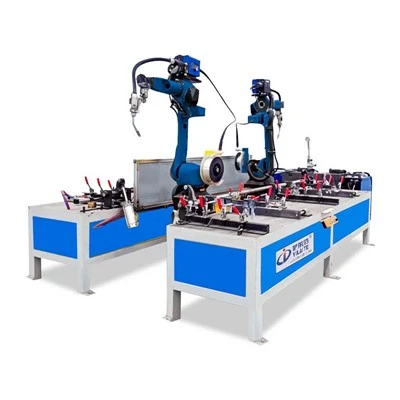
If you’re looking for supporting equipment that meets the strictest fire-proof standards, and you want to work with a team that knows what these requirements actually mean for real-world operations, we’re here to help. We can send you samples, walk you through our test reports, or schedule a call to talk about your specific needs, no sales pitch, no fine print. Just honest, expert advice on parts that keep your facility safe.
Other Supporting Equipment References
National Fire Protection Association. (2023). NFPA 70: National Electrical Code. Quincy, MA: National Fire Protection Association.
Underwriters Laboratories Inc. (2022). UL 94: Standard for Tests for Flammability of Plastic Materials for Parts in Devices and Appliances. Northbrook, IL: Underwriters Laboratories.
International Electrotechnical Commission. (2021). IEC 60332-1: Tests on Electric Cables Under Fire Conditions – Part 1: Test for Vertical Flame Propagation of a Single Insulated Wire or Cable. Geneva, Switzerland: International Electrotechnical Commission.
International Electrotechnical Commission. (2020). IEC 60332-3: Tests on Electric Cables Under Fire Conditions – Part 3: Test for Vertical Flame Propagation of Cables Bundled Together. Geneva, Switzerland: International Electrotechnical Commission.
Occupational Safety and Health Administration. (2022). OSHA Fire Protection Standards for General Industry. Washington, D.C.: U.S. Department of Labor.
Foshan Yilaite Machinery Equipment Co., Ltd.
Foshan Yilaite Machinery Equipment Co., Ltd. is one of the most reliable supporting equipment manufacturers and suppliers in China, featured by quality products and good service. Please rest assured to buy CE approved supporting equipment from our factory. We also accept customized orders.
Address: No.28, Guangyun Road, Shishan Town, Nanhai District, Foshan City (next to Gaobian Bus Station)
E-mail: Myway18@163.com
WebSite: https://www.yilaitemachine.com/
