Hey there! As a supplier of high voltage diesel generator sets, I often get asked about how to check the battery voltage of these bad boys. It’s a crucial aspect of maintaining your generator, so you can keep it running smoothly when you need it most. Today, I’m gonna walk you through the whole process. High Voltage Diesel Generator Set

Why Checking Battery Voltage Matters
First off, let’s talk about why it’s so important to check the battery voltage regularly. The battery in a high voltage diesel generator set is like the heart of the system. It’s responsible for providing the initial power to start the engine. If the battery voltage is too low, the generator might not start at all. And even if it does, a weak battery can lead to all sorts of problems down the line, like reduced performance or even damage to the electrical components.
Not to mention, a well – maintained battery can last a lot longer. By checking the voltage regularly, you can catch any issues early on and take steps to fix them before they turn into major headaches.
Tools You’ll Need
Before you start checking the battery voltage, you’ll need a few tools. The most important one is a voltmeter. You can pick up a basic voltmeter at any hardware store for a relatively low price. Make sure it’s a digital voltmeter, as they’re more accurate and easier to read than analog ones.
You’ll also need a pair of safety gloves and safety glasses. High voltage batteries can be dangerous, so it’s better to be safe than sorry. And don’t forget a clean, dry cloth to wipe any dirt or corrosion off the battery terminals.
Step 1: Safety First
Safety is always the top priority when dealing with high voltage systems. Before you even touch the battery, make sure the generator is turned off and disconnected from any power sources. This includes shutting down the engine and unplugging any cables or connectors.
Put on your safety gloves and glasses. Batteries can contain corrosive chemicals, so it’s important to protect your hands and eyes. If you’re not sure how to handle the battery safely, it might be a good idea to have a professional give you a quick lesson.
Step 2: Locate the Battery
High voltage diesel generator sets usually have a dedicated battery compartment. This compartment is designed to keep the battery protected and secure. To locate the battery, you’ll need to refer to the generator’s user manual. It should have a diagram that shows you exactly where the battery is located.
Once you’ve found the battery compartment, open it up. You might need to use a screwdriver or a key to unlock it, depending on the design of the generator.
Step 3: Inspect the Battery
Before you check the voltage, take a good look at the battery. Look for any signs of damage, like cracks, leaks, or swelling. If you notice any of these issues, it’s a sign that the battery might be in bad shape and needs to be replaced.
Also, check for corrosion on the battery terminals. Corrosion can prevent the battery from making a good connection, which can lead to voltage problems. If you see any corrosion, use the clean, dry cloth to wipe it off. You can also use a small amount of baking soda and water to clean the terminals, but make sure to rinse them thoroughly and dry them completely before moving on.
Step 4: Set Up the Voltmeter
Now it’s time to set up the voltmeter. Turn the voltmeter on and set it to the DC voltage setting. Most high voltage diesel generator set batteries operate on direct current (DC), so this is the correct setting to use.
Make sure the voltmeter’s range is set high enough to measure the battery voltage. Most generator set batteries have a voltage of around 12V or 24V, so set the voltmeter to a range that includes these values. For example, if you’re expecting a 12V battery, you can set the voltmeter to a range of 0 – 20V.
Step 5: Measure the Battery Voltage
With the voltmeter set up, it’s time to measure the battery voltage. Connect the positive (red) lead of the voltmeter to the positive terminal of the battery. The positive terminal is usually marked with a plus (+) sign. Then, connect the negative (black) lead of the voltmeter to the negative terminal of the battery, which is marked with a minus (-) sign.
Once the leads are connected, look at the voltmeter display. It should show you the current voltage of the battery. A fully charged 12V battery should have a voltage of around 12.6 – 12.8V. A 24V battery should have a voltage of around 25.2 – 25.6V.
If the voltage is significantly lower than these values, it means the battery might be low on charge or have a problem. In this case, you’ll need to charge the battery or have it tested by a professional.
Step 6: Interpret the Results
Interpreting the voltage reading is crucial. If the voltage is close to the expected values for a fully charged battery, that’s a good sign. It means the battery is in good condition and ready to power up the generator when needed.
But if the voltage is much lower, say 12V or less for a 12V battery, it could indicate that the battery is discharged. You should try charging the battery using an appropriate battery charger. Let it charge for a few hours and then check the voltage again.
If the voltage doesn’t improve after charging, it might be a sign that the battery is old or damaged and needs to be replaced. A battery that can’t hold a charge properly can cause a lot of hassle and might even damage the generator’s starting system.
Step 7: Keep a Record
It’s a good idea to keep a record of the battery voltage readings. You can use a simple notebook or even create a spreadsheet on your computer. Write down the date, time, and the voltage reading each time you check the battery.
By keeping a record, you can track the battery’s performance over time. If you notice a gradual decline in voltage, it could be an early sign of a problem. This way, you can take proactive steps to address the issue before it becomes a major problem.
When to Call a Professional
While checking the battery voltage is something you can do on your own, there are times when it’s best to call in a professional. If you’re not comfortable working with high voltage systems or if you’re unsure how to interpret the voltage readings, it’s better to get help.
Also, if you’ve tried charging the battery and the voltage still doesn’t improve, it’s likely that there’s a more serious problem. A professional technician can perform more detailed tests on the battery and the generator’s electrical system to diagnose and fix the issue.
Conclusion
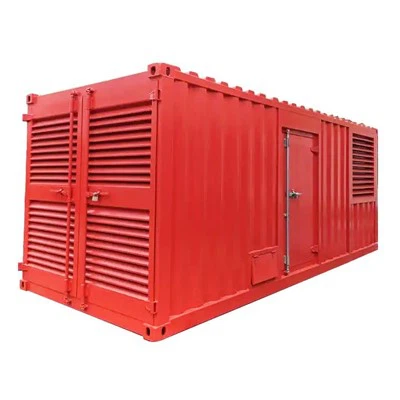
Checking the battery voltage of a high voltage diesel generator set is a relatively simple process, but it’s an important one. By following these steps and keeping an eye on the battery’s voltage, you can ensure that your generator is always ready to go when you need it.
Silent Diesel Generator Set If you’re in the market for a high voltage diesel generator set or have any questions about battery maintenance, don’t hesitate to reach out. We’re here to help you find the right generator for your needs and keep it in top – notch condition.
References
- Diesel Generator Handbook, various industry experts
- Battery Maintenance Guides from major battery manufacturers
Jiangsu Kaichen Electric Power Equipment Co., Ltd.
As one of the most professional high voltage diesel generator set manufacturers and suppliers in China, we’re featured by quality products and low price. Please rest assured to buy discount high voltage diesel generator set in stock here from our factory. If you have any enquiry about customized service, please feel free to email us.
Address: Dinghuo Industrial Park, Jiangdu District, Yangzhou City, Jiangsu Province
E-mail: 19962469616@163.com
WebSite: https://www.kaichenpowertech.com/
