As a seasoned supplier in the heat pump compressor parts industry, I’ve witnessed firsthand the critical role that each component plays in the overall performance of a heat pump compressor. Among these components, the crankshaft stands out as a fundamental part that is often overlooked but is essential for the proper functioning of the compressor. In this blog post, I’ll delve into the role of the crankshaft in a heat pump compressor, exploring its functions, design considerations, and the importance of quality in ensuring the reliability and efficiency of the compressor. Heat Pump Compressor Parts

Understanding the Basics of a Heat Pump Compressor
Before we dive into the role of the crankshaft, let’s first understand the basic operation of a heat pump compressor. A heat pump compressor is a mechanical device that raises the pressure and temperature of a refrigerant vapor, which is then circulated through a heat pump system to transfer heat from one location to another. The compressor is the heart of the heat pump system, as it provides the energy required to move the refrigerant through the system.
The compressor typically consists of several key components, including the piston, cylinder, valves, and the crankshaft. The piston moves back and forth inside the cylinder, creating a suction and compression cycle that draws in and compresses the refrigerant vapor. The valves control the flow of the refrigerant into and out of the cylinder, ensuring that the compression cycle is efficient and effective. The crankshaft, on the other hand, is responsible for converting the linear motion of the piston into rotational motion, which is then used to drive other components of the compressor and the heat pump system.
The Role of the Crankshaft in a Heat Pump Compressor
The crankshaft plays several crucial roles in a heat pump compressor, each of which is essential for the proper functioning and performance of the compressor. Let’s take a closer look at these roles:
1. Converting Linear Motion to Rotational Motion
As mentioned earlier, the primary function of the crankshaft is to convert the linear motion of the piston into rotational motion. The piston moves up and down inside the cylinder in a straight line, driven by the pressure of the refrigerant vapor. The crankshaft is connected to the piston via a connecting rod, which converts the linear motion of the piston into a circular motion around the axis of the crankshaft. This rotational motion is then used to drive the compressor’s motor, which in turn powers the heat pump system.
2. Providing Smooth and Consistent Operation
The design of the crankshaft is critical for ensuring smooth and consistent operation of the compressor. A well-designed crankshaft minimizes vibrations and reduces wear and tear on the other components of the compressor. This is achieved through a combination of factors, including the shape and size of the crankshaft, the balance of the rotating masses, and the use of high-quality materials.
The shape of the crankshaft is carefully designed to optimize the conversion of linear motion to rotational motion. The crankshaft typically has one or more offset crankpins, which are connected to the connecting rods. The offset of the crankpins creates a leverage effect, which helps to increase the torque and power output of the compressor. The size and shape of the crankpins are also carefully designed to minimize stress concentrations and ensure smooth operation.
The balance of the rotating masses is another important factor in ensuring smooth and consistent operation. The crankshaft, connecting rods, and pistons all have mass, and when they rotate, they create centrifugal forces. If these forces are not balanced properly, they can cause vibrations and excessive wear on the compressor. To minimize these effects, the crankshaft is often counterbalanced with weights or other balancing features. This helps to distribute the mass evenly around the axis of rotation, reducing vibrations and improving the overall efficiency of the compressor.
3. Transmitting Power to Other Components
In addition to converting linear motion to rotational motion, the crankshaft also plays a role in transmitting power to other components of the compressor and the heat pump system. The rotational motion of the crankshaft is used to drive the compressor’s motor, which in turn powers the heat pump system. The crankshaft may also be connected to other components, such as the oil pump or the cooling fan, which are essential for the proper functioning of the compressor.
4. Maintaining Compressor Efficiency
The efficiency of a heat pump compressor is directly related to the performance of the crankshaft. A well-designed and properly maintained crankshaft can help to improve the efficiency of the compressor by reducing friction, minimizing energy losses, and ensuring smooth operation. This, in turn, can lead to lower energy consumption, reduced operating costs, and improved performance of the heat pump system.
Design Considerations for Crankshafts in Heat Pump Compressors
When designing a crankshaft for a heat pump compressor, several factors must be considered to ensure optimal performance and reliability. These factors include:
1. Material Selection
The material used to manufacture the crankshaft is critical for its performance and durability. The crankshaft must be able to withstand high stresses and loads, as well as resist wear and corrosion. Common materials used for crankshafts in heat pump compressors include steel, cast iron, and forged aluminum. Each material has its own advantages and disadvantages, and the choice of material will depend on the specific requirements of the compressor.
Steel is a popular choice for crankshafts due to its high strength, toughness, and wear resistance. It can be easily machined and heat-treated to achieve the desired properties. Cast iron is another commonly used material, especially for low-cost applications. It is relatively inexpensive and has good damping properties, which can help to reduce vibrations. Forged aluminum is a lightweight alternative that offers high strength and excellent heat dissipation properties. It is often used in high-performance compressors where weight reduction is a priority.
2. Geometric Design
The geometric design of the crankshaft is crucial for its performance and efficiency. The shape and size of the crankpins, the offset of the crankshaft, and the overall balance of the rotating masses must all be carefully considered. The design should minimize stress concentrations, reduce friction, and ensure smooth operation.
Computer-aided design (CAD) and finite element analysis (FEA) are commonly used tools in the design process. These tools allow engineers to simulate the performance of the crankshaft under different operating conditions and optimize its design for maximum efficiency and reliability.
3. Lubrication and Cooling
Proper lubrication and cooling are essential for the long-term performance and reliability of the crankshaft. The crankshaft operates in a high-speed, high-load environment, and without adequate lubrication and cooling, it can quickly overheat and wear out.
The crankshaft is typically lubricated with oil, which is circulated through the compressor by an oil pump. The oil provides a protective film between the moving parts, reducing friction and wear. It also helps to dissipate heat, preventing the crankshaft from overheating. In addition to lubrication, the crankshaft may also be cooled by a separate cooling system, such as a water-cooled jacket or an air-cooled fin.
4. Manufacturing Process
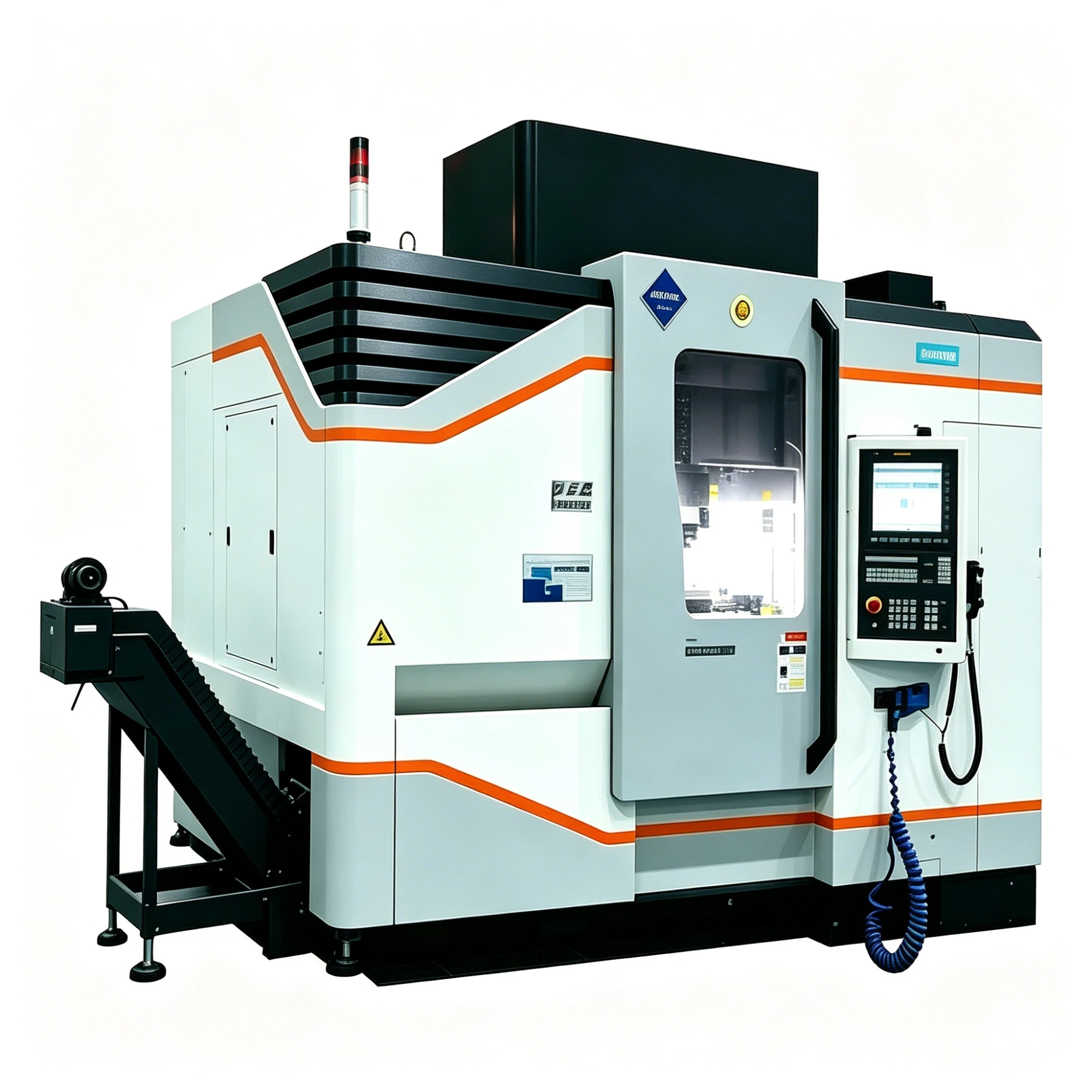
The manufacturing process used to produce the crankshaft can also have a significant impact on its performance and quality. Precision machining is essential to ensure the accurate dimensions and smooth surfaces of the crankshaft. The use of advanced manufacturing techniques, such as CNC machining and forging, can help to improve the quality and consistency of the crankshaft.
The Importance of Quality Crankshafts in Heat Pump Compressors
As a heat pump compressor parts supplier, I understand the importance of providing high-quality crankshafts to our customers. A quality crankshaft is essential for the reliable and efficient operation of the compressor, which in turn affects the performance and longevity of the heat pump system.
Using a low-quality crankshaft can lead to a variety of problems, including increased vibrations, excessive wear and tear, reduced efficiency, and even compressor failure. These problems can result in costly repairs, downtime, and decreased customer satisfaction. On the other hand, a high-quality crankshaft can help to ensure smooth and consistent operation, reduce energy consumption, and extend the lifespan of the compressor.
When selecting a supplier for crankshafts, it is important to choose a company that has a reputation for quality and reliability. Look for a supplier that uses high-quality materials, advanced manufacturing techniques, and stringent quality control measures. A reliable supplier will also offer technical support and after-sales service to ensure that your compressor operates at its best.
Conclusion
In conclusion, the crankshaft plays a critical role in the operation of a heat pump compressor. It converts the linear motion of the piston into rotational motion, provides smooth and consistent operation, transmits power to other components, and helps to maintain compressor efficiency. When designing a crankshaft for a heat pump compressor, several factors must be considered, including material selection, geometric design, lubrication and cooling, and the manufacturing process.
As a heat pump compressor parts supplier, we are committed to providing high-quality crankshafts that meet the needs of our customers. Our crankshafts are designed and manufactured to the highest standards, using the latest technology and materials. We understand the importance of quality and reliability in the heat pump industry, and we are dedicated to helping our customers achieve optimal performance and efficiency in their compressor systems.
Cycloidal Pinwheel Reducer Parts If you are in the market for high-quality heat pump compressor parts, including crankshafts, we invite you to contact us to discuss your specific requirements. Our team of experts is available to provide you with technical support, product recommendations, and competitive pricing. Let us help you take your heat pump compressor system to the next level.
References
- ASHRAE Handbook – Refrigeration, American Society of Heating, Refrigerating and Air-Conditioning Engineers, Inc.
- Compressor Handbook, John L. Mumford
- The Fundamentals of Compression, Ingersoll Rand
Jiangsu Zhengfang Dynamics Technology Co., Ltd.
As one of the most professional heat pump compressor parts manufacturers and suppliers in China, we’re featured by quality products and good price. Please rest assured to buy customized heat pump compressor parts made in China here from our factory. Contact us for pricelist.
Address: Building 3, No. 69 Feitian Avenue, Jiangning District, Nanjing City, Jiangsu Province
E-mail: hanks.liu@zfdynamics.com
WebSite: https://www.zhengfangdongli.com/
