In the dynamic landscape of energy storage solutions, outdoor battery cabinets have emerged as a cornerstone for reliable and efficient power management. As an established supplier of outdoor battery cabinets, I often encounter a pivotal question from potential clients: Are outdoor battery cabinets equipped with a remote control function? This inquiry delves into the heart of modern energy storage technology, where convenience, real – time monitoring, and efficient management are highly sought after. Outdoor Battery Cabinet
The Evolution of Outdoor Battery Cabinets
To understand the presence and significance of the remote control function in outdoor battery cabinets, it’s essential to trace their evolution. Initially, outdoor battery cabinets were simple enclosures designed to protect batteries from harsh environmental conditions such as extreme temperatures, humidity, and dust. Their primary function was to ensure the physical safety and longevity of the batteries, with little to no emphasis on remote interaction.
However, as the demand for more intelligent and efficient energy storage systems grew, so did the capabilities of outdoor battery cabinets. The integration of advanced electronics and communication technologies has transformed these cabinets from passive protectors to active participants in the energy management ecosystem. This evolution has led to the development of remote control functions that offer a range of benefits for users.
The Advantages of Remote Control Function in Outdoor Battery Cabinets
One of the most significant advantages of equipping outdoor battery cabinets with a remote control function is the ability to monitor and manage the system from anywhere. In a large – scale energy storage project, where multiple battery cabinets are deployed across a wide area, manual inspection of each cabinet can be time – consuming and costly. With remote control, operators can access real – time data on battery status, including charge level, temperature, and voltage, without having to be physically present at the site.
This real – time monitoring allows for proactive maintenance. For example, if the temperature inside a battery cabinet exceeds a safe threshold, the remote control system can alert operators immediately. They can then take appropriate action, such as adjusting the cooling system or scheduling maintenance, to prevent potential battery failures. This not only reduces the risk of downtime but also extends the lifespan of the batteries.
Another benefit of the remote control function is the ability to optimize energy usage. Operators can remotely control the charging and discharging cycles of the batteries based on the electricity demand and grid conditions. During periods of high electricity prices, the batteries can be discharged to power the connected load, reducing the reliance on the grid. Conversely, during off – peak hours, the batteries can be charged at a lower cost. This demand – response strategy helps users save on energy costs and contributes to a more stable and efficient grid.
Technical Implementation of Remote Control Function
The implementation of a remote control function in outdoor battery cabinets involves several key technologies. At the heart of the system is a communication module that enables data transmission between the cabinet and the remote monitoring center. This module can use various communication protocols, such as Wi – Fi, Ethernet, or cellular networks, depending on the specific requirements of the application and the availability of network coverage.
In addition to the communication module, the battery cabinet is equipped with a set of sensors that collect data on battery parameters. These sensors are connected to a microcontroller, which processes the data and sends it to the communication module for transmission. The microcontroller also receives commands from the remote monitoring center and adjusts the operation of the battery cabinet accordingly.
To ensure the security of the remote control system, advanced encryption and authentication technologies are employed. This prevents unauthorized access to the system and protects the integrity of the data being transmitted. Regular software updates are also crucial to keep the system secure and to add new features and functionality.
Challenges and Solutions in Remote – Controlled Outdoor Battery Cabinets
Despite the numerous benefits, there are also some challenges associated with implementing a remote control function in outdoor battery cabinets. One of the main challenges is the reliability of the communication network. In remote or rural areas, network coverage may be limited or unstable, which can disrupt the data transmission between the cabinet and the monitoring center. To address this issue, some outdoor battery cabinets are equipped with dual – mode communication modules that can switch between different network types, such as Wi – Fi and cellular, to ensure continuous connectivity.
Another challenge is the power consumption of the remote control system. Since the battery cabinet is designed for long – term operation, minimizing power consumption is essential to maximize the battery’s usage time. To overcome this challenge, low – power electronics and energy – efficient algorithms are used in the design of the remote control system.
Industry Applications and Case Studies
The remote control function in outdoor battery cabinets has found wide applications in various industries. In the renewable energy sector, for example, solar and wind power generation are intermittent, and battery storage is used to store excess energy for later use. By remotely controlling the battery cabinets, operators can optimize the charging and discharging of the batteries to match the power output of the renewable energy sources.
A case study involves a large – scale solar power plant. The plant is equipped with multiple outdoor battery cabinets with remote control functions. The operators can monitor the battery status in real – time and adjust the charging and discharging cycles based on the solar irradiance and electricity demand. This has led to a significant improvement in the overall efficiency of the power plant and a reduction in energy costs.
In the telecommunications industry, outdoor battery cabinets are used to provide backup power for cell towers. The remote control function allows operators to monitor the battery level and perform preventive maintenance, ensuring the uninterrupted operation of the cell towers even in the event of a power outage.
Conclusion and Call to Action
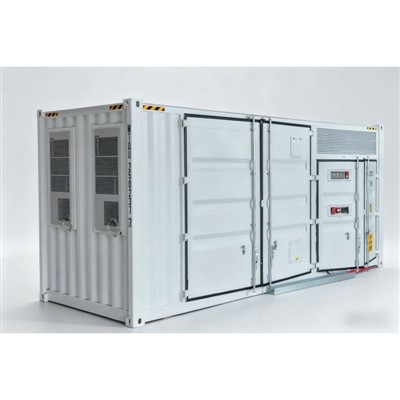
In conclusion, the integration of a remote control function in outdoor battery cabinets is a significant advancement in modern energy storage technology. It offers numerous benefits, including real – time monitoring, proactive maintenance, energy optimization, and enhanced system efficiency. As the demand for more intelligent and reliable energy storage solutions continues to grow, the remote control function will become an increasingly important feature in outdoor battery cabinets.
Solar DC Cable If you are interested in learning more about our outdoor battery cabinets with advanced remote control functions or wish to discuss a potential procurement project, I encourage you to reach out to us. Our team of experts is ready to provide you with detailed information and customized solutions to meet your specific energy storage needs.
References
- "Energy Storage for Renewable Integration and Grid Modernization", IEEE Press
- "Advanced Battery Systems for Stationary Energy Storage", Elsevier
- Industry reports on outdoor battery cabinet technology from leading research institutions
Tianjin Xilingke New Energy Technology Co., Ltd.
As one of the most professional outdoor battery cabinet manufacturers and suppliers in China, we’re featured by quality products and low price. Please rest assured to wholesale durable outdoor battery cabinet made in China here from our factory. For quotation, contact us now.
Address: Suite 2601, Tower B, Wanghai International, Haihe East Road, Hebei District, Tianjin, China.
E-mail: robin@sinelinkev.com
WebSite: https://www.sinelinkenergy.com/
