If you’ve ever pulled up to a gas station in a car that runs on compressed natural gas (CNG), you probably didn’t think about all the tech going on behind the scenes that keeps that fuel flowing safely, quickly, and reliably. As someone who’s been in the CNG standard station supply game for over a decade, I’ve seen this space change more than I ever thought possible—moving from clunky, one-size-fits-all setups to smart, next-level stations that don’t just fuel cars, but save station owners time, money, and headaches. Today, I wanna break down the most game-changing tech advancements we’ve rolled out (and seen other folks in the space build) that are making CNG standard stations way better than they were even five years ago. CNG Standard Station
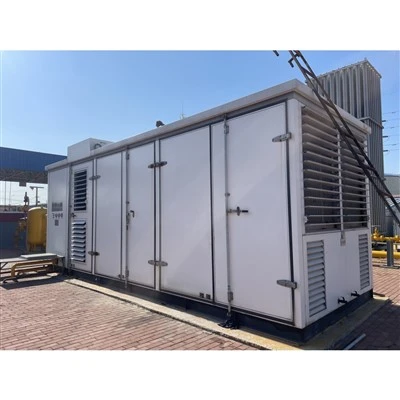
First off, let’s get one thing straight: a CNG standard station isn’t just a pump. It’s a whole system—from the compressors that pressurize natural gas to the storage tanks that hold it, the dispensers that top off your car, and all the controls in between. Ten years back, most stations relied on old, manual compressors that needed constant tweaking, and storage was just big metal tanks sitting out in the open, prone to corrosion. Now? Modular compressors with variable speed drives (VSDs) are the norm, and they’re a total game-changer. Let’s be real—traditional compressors run at full tilt 24/7, even if the station is dead at 2 a.m. That wastes so much energy, and energy costs are through the roof these days. VSD compressors adjust their speed based on how much CNG you actually need. If there are no cars fueling, they slow way down or shut off entirely. Last year, a client of mine who runs a small fleet CNG station swapped out their old fixed-speed compressor for a VSD model we supplied, and their energy bills dropped by 32% in the first six months. That’s not a fluke—studies from the Natural Gas Vehicle (NGV) Institute back this up, too. It’s not just about saving cash, though; less wear and tear on the compressor means fewer breakdowns and lower maintenance costs. I’ve got clients who used to call me at 3 a.m. because their compressor died, now they almost never have those calls. That’s the kind of tech that actually makes station owners’ lives easier.
Next up, storage tech. Old CNG stations used big, stationary steel storage tanks, but those come with a ton of issues: they’re heavy, take up tons of real estate, corrode over time, and hold a fixed amount of CNG no matter what. Now, we’re using fiber-wound composite storage tanks, and holy moly, they’re a game-changer. These tanks are made with a plastic liner wrapped in carbon fiber or fiberglass, so they’re way lighter than steel—like 50% lighter for the same volume. That means you can stack them or fit them into smaller spaces, which is huge for stations located in dense urban areas where land is expensive. Also, they don’t corrode, so their lifespan is way longer—we’re talking 25+ years vs. 15 for steel tanks. Wait, and there’s another thing: smart storage management systems. These systems use sensors to track how much CNG is in each tank, pressure levels, and even ambient temperature, and they adjust how much gas flows between tanks to keep everything balanced. If one tank is running low, it pulls from a full one automatically, so the compressor doesn’t have to work harder. A few months back, a client in Chicago that has a compact urban station told us they fit three composite tanks where they used to only fit two steel ones, and now they can fuel 15 more cars a day than before. That’s extra revenue they didn’t have to build a whole new station for. I also wanna mention cascading storage, which isn’t new but has gotten way smarter. Before, all tanks operated at the same pressure, but now with digital controls, cascading systems adjust pressure based on demand. For example, if you’re fueling a small car, you use lower pressure tanks, and for a big truck or bus, you pull from higher pressure tanks. That makes fueling faster, too—we’re talking 20-30 seconds faster per fill, which adds up when you have a line of 10 cars.
Then there’s dispenser tech, which is what most people interact with. Old CNG dispensers were basically just a hose, a nozzle, and a display. Now? Smart dispensers that do so much more. Let’s start with contactless payment—every station I supply now has dispensers that work with Apple Pay, Google Pay, or tap cards. No more fumbling for a credit card or waiting for a cashier to open the booth. That’s huge for convenience store-like stations or stations along highways where people just wanna fill up and go. Also, smart dispensers track data: how much gas each customer uses, their fueling patterns, even if there’s a problem with the nozzle or hose. If a nozzle starts to wear out, the dispenser sends an alert to the station owner or our service team before it causes a leak or stops working. We had a client in Texas last year where one of our smart dispensers picked up a tiny pressure dip in the hose, sent an alert to our 24/7 monitoring team, and we were able to send a technician out to fix it before anyone even noticed. If that would’ve been an old dispenser, the nozzle probably would’ve failed mid-fuel, leaving a customer stuck and the station losing revenue for hours. Also, there’s rapid CNG dispensers now that can fuel a car in as little as 3-5 minutes—same as gasoline or diesel. Back in the day, CNG fueling took 10+ minutes, which was a big turnoff for drivers. Now, with high-flow nozzles and optimized pressure settings, rapid dispensers are making CNG way more competitive with traditional fuels. A friend of mine runs a public CNG station in Ohio, and he told me since installing our rapid dispensers, his customer count went up 45% in a year because people don’t wanna wait anymore.
But here’s the thing that I think is the biggest advancement overall: end-to-end smart station management systems. This isn’t just a app that tells you how much gas is in the tanks—this is a full system that connects every part of the station: compressors, storage, dispensers, even the station’s electrical grid. Let’s break this down. The system uses IoT sensors (those little connected devices) that collect data every second—pressure, temperature, flow rate, even how many cars are fueling. All that data is sent to a cloud-based dashboard that station owners can access from their phone, laptop, whatever. So if you’re on vacation in Florida, you can check how much CNG you have left, turn the compressor up or down, or see if a dispenser is broken. But it’s not just monitoring—it’s predictive. The machine learning algorithms built into these systems can spot patterns: like, every Tuesday morning between 7 and 8 a.m., your station has a line of delivery trucks fueling. So the system will pre-charge the storage tanks to full before that time, so you don’t run low mid-peak. Or if it’s supposed to be a super hot day tomorrow, the system will adjust the compressor’s cooling to keep storage pressures stable, because high heat makes CNG expand and can throw off fueling amounts. I had a client in Arizona who told me last summer, when temperatures hit 115°F, his old stations would have issues with over-pressurization, leading to automatic shut-offs. With our smart management system, he didn’t have a single shut-off all summer. That’s not just convenience—that’s lost revenue prevented. Also, these systems make compliance way easier. CNG stations have to follow strict safety and environmental regulations, like tracking emissions and keeping pressure within safe limits. The smart system logs all that data automatically, so when inspectors come around, you don’t have to spend hours digging through old paper logs. It’s all right there on the dashboard, ready to pull up. That’s a huge win for station owners—no more fines for missing paperwork or incorrect logs.
Wait, I can’t skip over safety tech, because that’s non-negotiable with CNG. Old safety systems were just basic sensors that would shut everything down if something went wrong, but they didn’t tell you why. Now, we have advanced leak detection systems that use acoustic sensors and gas imaging cameras, not just single-point sensors. Acoustic sensors can pick up tiny leaks in pipes or hoses that are too small for humans to smell or see, and gas imaging cameras show exactly where the leak is, so you don’t have to shut down the whole station to find it. Also, automated emergency shutoff systems that don’t just cut power—they isolate specific parts of the station. If a leak is only around one dispenser, it’ll shut off that dispenser, not the entire compressor and storage. That keeps the rest of the station operational. I remember a few years back, a station I consulted for had a small leak in a hose. The old safety system would’ve shut everything down, costing them $5,000+ in lost revenue that day. With the new tech, it only shut off that one dispenser, they fixed it in 10 minutes, and no one even knew there was a problem. That’s the kind of safety that doesn’t get in the way of business, which is super important.
Now, I know a lot of people are talking about hydrogen stations and electric vehicle (EV) chargers, but CNG is still a huge part of the clean fuel space—especially for heavy-duty trucks, fleet vehicles, and rural areas where EV infrastructure is spotty. The advancements I’ve talked about aren’t just making CNG stations better; they’re making CNG more competitive with those other fuels. Faster fueling, lower costs, less maintenance, better safety—these are the things that make station owners wanna invest in CNG, and drivers wanna choose it over gas or diesel.
As a CNG standard station supplier, we’re not just selling equipment—we’re building full, turnkey stations with all this tech built in, plus 24/7 remote monitoring. I’ve worked with small mom-and-pop stations, big commercial fleet operators, and even municipalities that use CNG for their garbage trucks and buses. Each one has different needs, and the tech we build is tailored to that. For a small rural station with low traffic, we go lightweight, low-maintenance setups. For a big urban fleet station that fuels 50 buses a day, we have rapid dispensers and high-capacity storage.
If you’re a station owner looking to upgrade your current CNG station or build a new one, all this tech can seem overwhelming, but it doesn’t have to be. We walk you through every step, from designing the station to installing the equipment to training your staff. The end result is a station that’s more efficient, safer, and makes you more money. I’ve seen too many station owners hold onto old, outdated tech because they think the upgrade is too expensive, but the numbers don’t lie. The energy savings, reduced maintenance, and extra revenue from more customers pay for the upgrades in 2-3 years, and then you’re golden.
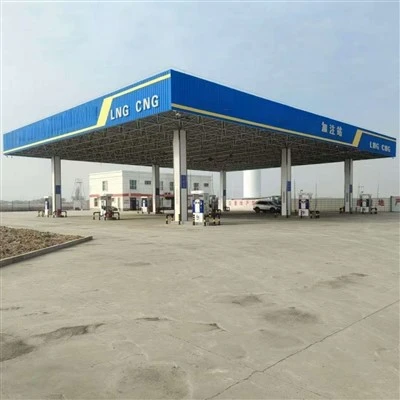
If you’re ready to chat about what a tech-forward CNG standard station can do for your operation, reach out to our team to schedule a free consultation. We’ll walk through your needs, show you the latest tech, and help you build a station that works for you—no sales pitches, no jargon, just honest advice.
CNG Daughter Station References: Natural Gas Vehicle Institute, Compressed Natural Gas Technology Update 2023; U.S. Department of Energy, Advanced Storage Technologies for Natural Gas Fueling Stations 2022; Society of Automotive Engineers, Standard for CNG Dispenser Performance 2021.
Qingdao Lenado Intelligent Equipment Co., Ltd.
Qingdao Lenado Intelligent Equipment Co., Ltd. is one of the most experienced CNG standard station manufacturers and suppliers in China. We have world-leading production equipment and strong manufacturing capabilities. Please rest assured to wholesale bulk customized CNG standard station from our factory.
Address:
E-mail: genkegasstation@163.com
WebSite: https://www.cnggasstation.com/
