When I first started working in the aluminum formwork machinery supply industry back in 2012, I thought the hardest part was just selling the machines. After all, these pieces of equipment are designed to make construction faster, safer, and more cost-effective—right? What I quickly learned was that selling the machine is only half the battle. The real difference between a project that runs like a well-oiled machine and one that hits unnecessary snags lies in the operator’s skills. Over the past 11 years, I’ve worked with hundreds of construction teams, training operators, troubleshooting on-site, and listening to what works (and what doesn’t). Today, I want to break down exactly what it takes to run aluminum formwork machinery well. This isn’t just a list of skills—it’s the real, on-the-ground knowledge that separates a good operator from a great one, and that keeps construction projects on track, under budget, and safe. Aluminum Formwork Machinery
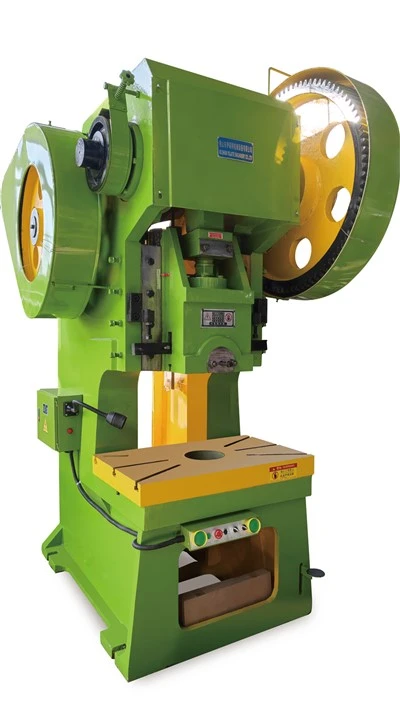
First, let’s talk about foundational technical knowledge. This isn’t just “knowing how to press a button.” Aluminum formwork machinery is specialized equipment, built specifically to handle the unique properties of aluminum formwork panels. These panels are lightweight but rigid, require precise cuts, and need to be assembled and disassembled without damaging the material or the panel’s alignment. A good operator can’t learn this from a YouTube video or a one-hour training session. They need to understand the core components of the machinery: the hydraulic systems that lift and clamp panels, the laser guides that ensure cuts are straight, the safety interlocks that prevent accidental movement, and how the machine interfaces with different sizes of formwork panels. For example, I once worked with a team in Houston where a new operator didn’t realize that adjusting the machine’s clamp pressure for a 12-foot panel was different from an 8-foot panel. He cranked the pressure too high on a 12-foot panel, warping the aluminum slightly. That small mistake cost them $1,200 in material and 8 hours of rework. It’s a classic example: technical knowledge isn’t just about operating the machine—it’s about understanding how it interacts with the aluminum formwork it’s handling.
Beyond knowing the machine, operators need hands-on experience with formwork specific workflows. Aluminum formwork isn’t like steel; it’s designed for repetitive use, and each project has unique panel configurations. A skilled operator doesn’t just run the machine—they plan the workflow alongside the formwork crew. Let’s say you’re working on a high-rise building in Chicago. The formwork crew needs panels cut to fit around elevator shafts, column lines, and window openings. A good operator will communicate with the foreman to map out the cutting sequence before the machine even starts. They’ll know that cutting panels in a certain order minimizes material waste, reduces the time the crew spends on-site, and lowers the risk of misalignment. On a recent project in Dallas, an operator I trained suggested adjusting the cutting sequence to cut all the column panels first, rather than the wall panels. That small change meant the crew could start assembling the columns 2 hours earlier, and they finished the project 3 days ahead of schedule. That’s the value of an operator who understands the entire formwork process, not just the machine.
Next up: safety proficiency, and I can’t stress this enough. Construction is one of the most dangerous industries in the U.S., and aluminum formwork machinery has its own unique hazards. Operators work with heavy components (even aluminum panels are 50% lighter than steel, but a full set can still weigh several tons), high-pressure hydraulic systems, and sharp edges. The Occupational Safety and Health Administration (OSHA) tracks thousands of construction accidents every year, and many are directly related to improper machinery operation. A great operator doesn’t just follow safety rules—they live them. They do pre-operation checks every single day: verifying that safety interlocks work, checking hydraulic fluid levels, inspecting the cutting blades for damage, and ensuring the machine’s emergency stop is functional. I’ve seen new operators skip those checks to save time, and more than once that’s led to a blade malfunction or a panel slipping. Additionally, operators need to know how to respond in an emergency. If a panel is misaligned, they should immediately shut down the machine, not try to adjust it while it’s running. They also need to communicate clearly with other crew members—yelling to signal when the machine is moving, so no one stands in the path. Last year, a team in Phoenix avoided a serious accident because their operator noticed a crew member stepping into the machine’s path mid-cut. He hit the emergency stop so fast that the panel didn’t move an inch. That’s safety proficiency in action: it’s not just rules, it’s being aware of your surroundings and prioritizing the crew’s well-being.
Problem-solving skills are another non-negotiable. Construction projects don’t go as planned all the time. Maybe a panel arrives with a minor dent, or the machine’s laser guide shifts unexpectedly, or a power outage hits mid-cut. A good operator can’t freeze up when something goes wrong. They need to troubleshoot quickly, because every minute the machine is down costs the project money. For example, a few years ago, we supplied machinery to a project in Atlanta where the machine’s hydraulic pressure dropped suddenly mid-assembly. The operator didn’t call for help immediately—he checked the hydraulic fluid filter first, which was clogged with aluminum shavings. He changed it in 12 minutes, got the machine running again, and avoided a 2-hour delay. If he’d waited for a technician to drive 45 minutes out to the site, that project would have fallen behind. Problem-solving for aluminum formwork machinery operators also means knowing when to ask for help. There’s a difference between troubleshooting a minor issue and a major hydraulic leak—great operators know that line, and they don’t risk causing more damage by trying to fix something beyond their expertise. They communicate clearly with the maintenance team and the project manager, so everyone is on the same page.
Then there’s precision and attention to detail. Aluminum formwork is all about tight tolerances. Panels need to align within a quarter of an inch to ensure that concrete pours smoothly without leaks or uneven surfaces. If a panel is cut off by even an eighth of an inch, it can throw off the entire formwork configuration for an entire floor. I’ve seen projects where a single bad cut by an operator led to 10 panels being misaligned, which meant the entire floor had to be disassembled and reassembled. That cost tens of thousands of dollars and weeks of time. A skilled operator uses the machine’s features to the fullest—they double-check measurements, verify laser guide alignment before each cut, and test small scrap pieces first if they’re working on a new project configuration. They don’t cut corners when it comes to precision. On a recent hospital project in Houston, the operator I worked with cut each panel’s opening for medical room windows with a tolerance of less than 0.05 inches. That level of precision meant there were zero leaks during the concrete pour, and the formwork crew didn’t have to adjust a single panel. The hospital project was a huge win, and a lot of that came down to the operator’s eye for detail.
Adaptability is also key. No two construction projects are the same. A residential development has small, simple formwork needs, while a high-rise has complex, custom panels. A bridge project requires large, heavy panels that don’t fit the same machine settings as a multi-story apartment building. A great operator can adapt their skills and the machine’s settings to fit the project, not the other way around. For example, when we supplied machinery for a bridge project in Fort Worth, the operator had to adjust the machine’s clamping system to handle 16-foot-wide panels, which were much larger than the standard 10-foot panels he’d worked with on apartment projects. He spent the first day adjusting the settings, testing cuts on scrap aluminum, and working with the project engineer to make sure the panels would fit the bridge’s design. By the end of the first week, he was running the machine as smoothly as he would on a standard project. Adaptability also means being willing to learn new techniques. Aluminum formwork technology is always improving—new machine models have better automation, new safety features, and more precise cutting tools. A good operator doesn’t get stuck in old habits; they take training sessions, ask questions, and learn how to use the latest features. Last year, we rolled out a new machine with automated panel alignment, and the operators who took the time to learn it cut their panel preparation time by 25% on their projects. That’s the benefit of being adaptable.
Finally, communication skills. Aluminum formwork machinery operators don’t work in a vacuum. They work with the formwork foreman, the project manager, the maintenance team, and the rest of the construction crew. If the operator is running the machine too fast, they can cause panels to warp or misalign. If they don’t listen to the foreman’s plan, they might cut a panel that’s needed for a different part of the project. Clear communication is essential. A great operator checks in with the foreman before each shift to confirm the day’s goals. They update the project manager if the machine is running ahead or behind schedule, or if there’s a minor issue that might affect the timeline. They also work with the maintenance team to report any small issues before they turn into big problems. I once had an operator on a project in San Antonio who noticed the machine’s cutting blade was dull. He told the maintenance team during his break, and they replaced it overnight. If he’d waited until the blade broke mid-cut, that would have cost the project a full day. Communication isn’t just talking—it’s listening, too. A good operator takes feedback from the crew about what’s working and what’s not, and they adjust their approach accordingly.
Now, I want to be clear: these skills aren’t things you pick up in a classroom. They’re built with experience, training, and a commitment to doing the job right. As an aluminum formwork machinery supplier, our job isn’t just to sell you a machine—it’s to make sure your operators have the skills to use it effectively. We offer hands-on training sessions, on-site support for new projects, and ongoing resources to keep operators up to date on the latest techniques and safety standards. We’ve seen firsthand that investing in operator skills pays off: projects run smoother, costs go down, and everyone goes home safe at the end of the day.
If you’re in the construction industry and you’re looking to upgrade your aluminum formwork machinery, or if you want to train your current operators to get more out of your equipment, we’re here to help. We can walk you through our machine options, talk about your project’s specific needs, and connect you with the resources you need to build a skilled, efficient team. Don’t let a lack of operator skills hold your next project back—reach out today to start a conversation about how we can work together.
Other Supporting Equipment References
- Occupational Safety and Health Administration. (2023). Construction Safety Standards for Heavy Machinery Operation. U.S. Department of Labor.
- Aluminum Formwork Institute. (2022). Best Practices for Aluminum Formwork Machinery Operation and Training. AF Industry Guidelines.
- National Association of Home Builders. (2021). Operator Skill Requirements for Specialty Construction Machinery. NAHB Construction Research Report.
- International Code Council. (2022). Formwork Design and Operation Standards for Concrete Construction. ICC Building Codes.
Foshan Yilaite Machinery Equipment Co., Ltd.
Foshan Yilaite Machinery Equipment Co., Ltd. is one of the most reliable aluminum formwork machinery manufacturers and suppliers in China, featured by quality products and good service. Please rest assured to buy CE approved aluminum formwork machinery from our factory. We also accept customized orders.
Address: No.28, Guangyun Road, Shishan Town, Nanhai District, Foshan City (next to Gaobian Bus Station)
E-mail: Myway18@163.com
WebSite: https://www.yilaitemachine.com/
