Hey there! I’m a supplier of tow trucks, and I’ve had a ton of experience dealing with all sorts of situations related to these powerful vehicles. One question that often comes up is, "What are the rules for tow trucks on residential streets?" Well, let’s dig into this topic and explore the ins and outs. Tow Truck

Legal Regulations
First off, let me tell you that the regulations for tow trucks on residential streets can vary big time depending on where you are. Every city and town has its own set of rules, so there’s no one – size – fits – all answer. In general, though, most places have some basic laws in place to ensure the safety and order of the neighborhood.
Permits and Licensing
In many areas, tow truck operators need to have the proper permits and licenses to operate on residential streets. This means getting a business license, a tow truck permit, and maybe even a special driver’s license endorsements. These requirements are there to make sure that the operators know what they’re doing and that their trucks are in good working condition. For example, here in [the general area you’re familiar with], tow truck operators must pass a series of inspections to ensure that their vehicles meet safety standards. It’s not just a formality; it’s about protecting the residents on those streets.
Operating Hours
Some residential areas have restrictions on when tow trucks can operate. This is usually to minimize noise and disruption to the neighbors. You know how annoying it can be to be woken up in the middle of the night by a loud truck roaring through the neighborhood? Exactly. So, in many places, there are set hours, like between 8 am and 6 pm, when tow trucks can work. Of course, there are exceptions for emergency situations, like when a vehicle is blocking a fire hydrant or causing a serious traffic hazard.
Towing Without Consent
One of the biggest issues in residential areas is towing without the owner’s consent. In most cases, a tow truck can’t just show up and tow a vehicle away without a valid reason. For instance, if a car is parked illegally, like in a no – parking zone or blocking a driveway, the owner or the property manager may have the right to request that the vehicle be towed. But they usually need to follow a specific process. This might include posting warning signs, giving the owner some notice, or having a contract with a licensed tow truck company. If not, the tow could be considered illegal, and the company could face some serious legal trouble.
Traffic and Safety Rules
Now, let’s talk about the traffic and safety rules that tow trucks have to follow on residential streets.
Speed Limits
Just like any other vehicle, tow trucks need to obey the speed limits on residential streets. These speed limits are there for a reason – to keep everyone safe, especially kids playing on the sidewalks and in the yards. Most residential areas have a speed limit of around 25 miles per hour. When you’re towing a vehicle, it’s even more important to drive slowly and carefully because you have a lot more weight and bulk to deal with. Speeding can lead to accidents, and on a residential street, the consequences can be pretty bad.
Right – of – Way
Tow trucks also need to respect the right – of – way. This means yielding to pedestrians, cyclists, and other vehicles. When you’re backing up or making a turn, you need to make sure you have a clear view and that it’s safe to proceed. In a residential area, there are often blind spots, like hedges or parked cars, so you have to be extra cautious. And don’t forget about fire trucks, ambulances, and police cars. They always have the right – of – way, and you need to pull over and let them pass as quickly as possible.
Parking
When it comes to parking, tow trucks need to follow the rules, too. They can’t just park wherever they want and block the street or a driveway. If they need to stop to hook up a vehicle, they should try to do it in a way that causes the least amount of disruption. For example, they might park on the side of the road or in an empty parking spot if one is available. And once they’re done, they should get moving as soon as they can.
Property and Neighbor Considerations
As a tow truck supplier, I know that it’s not just about following the legal and traffic rules. It’s also about being a good neighbor in the residential area.
Minimizing Noise
Tow trucks can be pretty loud, especially when they’re starting up, shutting down, or using their winches. To be a good neighbor, operators should try to minimize the noise as much as possible. This could mean using quieter equipment or being more careful when they’re operating the truck. For example, they can avoid revving the engine unnecessarily or using the horn more than they have to.
Protecting Lawns and Sidewalks
When a tow truck is maneuvering around a residential area, it needs to be careful not to damage the lawns, sidewalks, or other property. Sometimes, the operator may need to drive on the grass to get to a vehicle, but they should do it in a way that causes the least amount of damage. And if they do accidentally cause some damage, they should take responsibility and either fix it themselves or compensate the property owner.
Communication and Community Engagement
It’s also a good idea for tow truck companies to have open communication with the residents in the area. This can help prevent misunderstandings and build a positive relationship.
Notice to Residents
If a tow truck company is going to be doing a lot of work in a particular residential area, it might be a good idea to give the residents some notice. This could be in the form of a flyer or a post on the neighborhood social media group. Let them know what to expect, like when the trucks will be operating and how long the work might take. It can make a big difference in how the residents feel about the presence of the tow trucks.
Community Feedback
Tow truck companies should also be open to receiving feedback from the community. If the residents have concerns or complaints, the company should address them promptly. This can help improve the service and make the neighborhood a better place for everyone.
Conclusion
Well, there you have it – a rundown of the rules for tow trucks on residential streets. As a tow truck supplier, I know how important it is for operators to follow these rules. It’s not only about staying on the right side of the law but also about being a responsible part of the community.
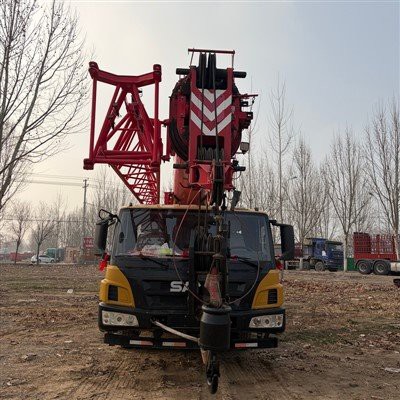
If you’re in the market for a tow truck or need to upgrade your existing fleet, don’t hesitate to reach out. We’ve got a great selection of tow trucks that can meet your needs, whether you’re working in a residential area or elsewhere. Just get in touch, and we can start a conversation about what would be the best fit for you.
Truck References:
- Local municipality traffic and towing regulations
- State – level vehicle and operator licensing guidelines
- Regional best practices for tow truck operations in residential areas
Liangshan Guanyue Auto Trading Co., Ltd.
As one of the leading tow truck manufacturers and suppliers in China, we warmly welcome you to buy bulk high quality tow truck at low price from our factory. If you have any enquiry about pricelist and quotation, please feel free to email us.
Address: Liangshan County, Jining City, Shandong Province
E-mail: guanyuetruck@gmail.com
WebSite: https://www.gytruck.com/
