When it comes to powering your tools, choosing the right inverter is crucial. As an inverter supplier, I’ve seen firsthand the impact that the right inverter can have on your work efficiency and the lifespan of your tools. In this blog post, I’ll share my insights on how to choose an inverter for power tools, based on my years of experience in the industry. Inverters
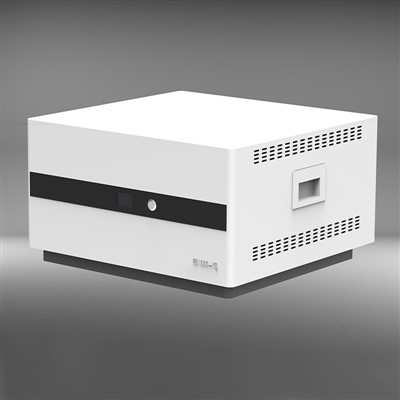
Understanding the Basics of Inverters
Before we dive into the selection process, it’s important to understand what an inverter is and how it works. An inverter is an electrical device that converts direct current (DC) power into alternating current (AC) power. This is essential because most power tools are designed to run on AC power, while many power sources, such as batteries and solar panels, provide DC power.
There are two main types of inverters: modified sine wave inverters and pure sine wave inverters. Modified sine wave inverters are more affordable and suitable for most basic power tools. However, they produce a less smooth waveform, which can cause some tools to run less efficiently or even overheat. Pure sine wave inverters, on the other hand, produce a waveform that is almost identical to the power supplied by the grid. This makes them ideal for sensitive electronics and high – performance power tools, but they are also more expensive.
Assessing Your Power Tool Requirements
The first step in choosing an inverter is to assess the power requirements of your power tools. You need to know the wattage of each tool you plan to use with the inverter. This information can usually be found on the tool’s nameplate or in the user manual.
There are two important wattage ratings to consider: running wattage and starting wattage. Running wattage is the amount of power the tool consumes when it is running at normal operation. Starting wattage, also known as surge wattage, is the extra power the tool needs to start up. Starting wattage is typically higher than running wattage, especially for tools with electric motors, such as drills and saws.
For example, a circular saw may have a running wattage of 1200 watts but a starting wattage of 2400 watts. When choosing an inverter, you need to make sure that it can handle the starting wattage of all the tools you may run simultaneously.
Calculating the Total Power Requirement
Once you know the running and starting wattages of your power tools, you need to calculate the total power requirement. If you plan to run only one tool at a time, you simply need to choose an inverter that can handle the starting wattage of that tool. However, if you want to run multiple tools at the same time, you need to add up the running wattages of all the tools that will be running, and then add the highest starting wattage among those tools.
For instance, if you want to run a drill with a running wattage of 400 watts and a starting wattage of 800 watts, and a sander with a running wattage of 600 watts and a starting wattage of 1200 watts, the total running wattage is 400 + 600 = 1000 watts. The highest starting wattage is 1200 watts. So, you should choose an inverter with a continuous output of at least 1000 watts and a surge capacity of at least 1200 watts.
Considering the Inverter’s Efficiency
Inverter efficiency is another important factor to consider. Efficiency is measured as a percentage and represents how much of the DC power input is converted into usable AC power. A higher – efficiency inverter will waste less energy as heat and therefore save you money in the long run.
Most inverters have an efficiency rating of between 80% and 95%. While a high – efficiency inverter may be more expensive upfront, it can pay for itself over time, especially if you use your power tools frequently.
Evaluating the Inverter’s Quality and Reliability
The quality and reliability of an inverter are critical, especially if you rely on your power tools for your livelihood. Look for inverters that are made by reputable manufacturers and have good reviews from other users.
A high – quality inverter should have built – in protection features, such as overload protection, over – voltage protection, under – voltage protection, and short – circuit protection. These features can prevent damage to the inverter and your power tools in case of a power surge or other electrical issues.
Additional Features to Look For
Some inverters come with additional features that can enhance their functionality and usability. For example, an inverter with a remote control allows you to turn the inverter on and off without having to be near it. This can be very convenient, especially if the inverter is installed in a hard – to – reach location.
Inverters with multiple AC outlets can be useful if you need to power multiple tools at the same time. Some inverters also have built – in USB ports, which allows you to charge your mobile devices and other small electronics.
Matching the Inverter to Your Power Source
The type of power source you plan to use with the inverter also matters. If you’re using a battery as your power source, you need to make sure that the inverter is compatible with the battery’s voltage. Most batteries are either 12 volts, 24 volts, or 48 volts, so choose an inverter that matches the voltage of your battery.
If you’re using solar panels as your power source, you may need a charge controller in addition to the inverter. A charge controller regulates the flow of power from the solar panels to the battery, preventing overcharging and ensuring the battery’s lifespan.
Cost Considerations
Cost is always a factor when making a purchasing decision. While it may be tempting to go for the cheapest inverter on the market, remember that you often get what you pay for. A low – cost inverter may not have the necessary power capacity, efficiency, or protection features, which can lead to increased costs in the long run due to tool damage or inverter failure.
On the other hand, you don’t necessarily need to buy the most expensive inverter either. Strike a balance between your budget and your power tool requirements. Compare different models and brands to find an inverter that offers the best value for your money.
Conclusion
Choosing the right inverter for your power tools is not a one – size – fits – all decision. It requires careful consideration of your power tool requirements, inverter efficiency, quality, additional features, power source, and cost. By doing your research and taking the time to understand your needs, you can select an inverter that will provide reliable power for your tools and help you get the job done more efficiently.
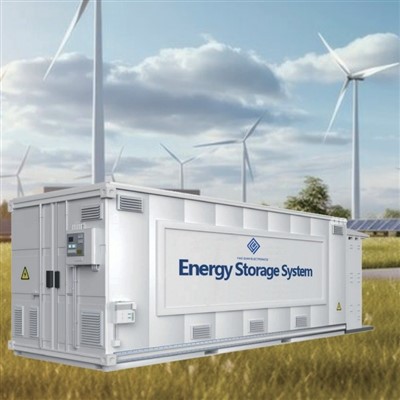
Energy Storage System If you’re in the market for an inverter for your power tools, I’d love to assist you in finding the perfect solution. Each project has its unique requirements, and my team of experts can provide personalized advice based on your specific situation. Whether you’re a professional contractor or a DIY enthusiast, we have a wide range of inverters to meet your needs. Contact us today to start a discussion about your inverter requirements and take the first step towards powering your tools more effectively.
References
- "Electrical Engineering Handbook", Third Edition, CRC Press.
- Manufacturer’s manuals of various power tools and inverters.
- User reviews and industry reports on inverter performance and reliability.
Shandong Yaoqian Energy Storage International Trade Co., Ltd.
We’re well-known as one of the leading inverters manufacturers and suppliers in China, featured by quality products and good price. Please rest assured to buy customized inverters made in China here from our factory.
Address: Lithium Battery Industrial Park, Xingcheng Street, Zaozhuang High-tech Zone, Shandong Province, China
E-mail: boss@yaoqiansmart.com
WebSite: https://www.yaoqiansmart.com/
