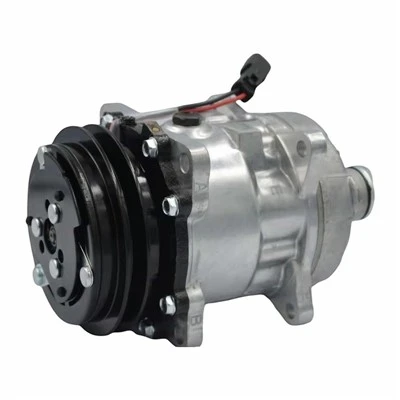
Installing an automotive compressor is a task that involves a series of complex steps, and the time it takes to complete this process can vary significantly depending on several factors. As a professional automotive compressor supplier, I’ve had the opportunity to work closely with technicians and understand the intricacies involved in the installation process. Automotive Compressor
Understanding the Automotive Compressor
Before delving into the installation time, it’s essential to have a basic understanding of what an automotive compressor is and its role in the vehicle’s air – conditioning system. The automotive compressor is the heart of the air – conditioning system. It compresses the refrigerant gas, raising its pressure and temperature, and then pumps it through the air – conditioning circuit. This compressed refrigerant is then cooled in the condenser, passing through the expansion valve, and finally absorbing heat from the vehicle’s cabin in the evaporator.
Factors Affecting Installation Time
Type of Vehicle
The make and model of the vehicle play a crucial role in determining the installation time. Different vehicles have different engine layouts and design features that can either simplify or complicate the access to the compressor. For instance, in some compact cars, the engine compartment is relatively small and cramped, making it difficult to maneuver tools and access the compressor. On the other hand, larger SUVs or trucks may have more space, but they could also have more complex air – conditioning systems that require additional disassembly to reach the compressor.
In luxury or high – performance vehicles, the air – conditioning system is often integrated with advanced electronic components and sensors. Installing a new compressor in these vehicles may require a higher level of technical expertise and additional time for proper calibration and testing to ensure that the system works harmoniously with the vehicle’s other features.
Skill Level of the Technician
The experience and skill level of the technician performing the installation are also significant factors. A seasoned technician who has installed numerous compressors will likely be able to complete the job more quickly and efficiently than a novice. Experienced technicians are familiar with the common challenges and pitfalls that can arise during the installation process, and they have developed the skills to troubleshoot problems effectively.
For example, an experienced technician may be able to identify and address minor issues with the refrigerant lines or electrical connections without having to spend excessive time on research or trial – and – error. In contrast, a less experienced technician may take longer to ensure that all the steps are carried out correctly, especially when dealing with unfamiliar vehicle models or complex systems.
Condition of the Existing System
The state of the vehicle’s existing air – conditioning system can also impact the installation time. If the system has suffered significant damage or if there are signs of contamination, additional steps may be required before the new compressor can be installed. For example, if the old compressor has failed catastrophically, debris from the compressor could have circulated throughout the system. In such cases, the entire system may need to be flushed to remove any contaminants, which can add several hours to the installation process.
Similarly, if there are leaks in the refrigerant lines or other components, these issues need to be fixed before installing the new compressor. Leak detection and repair can be a time – consuming process, especially if the leaks are difficult to locate.
General Installation Time Estimates
On average, for a standard passenger car with an uncomplicated air – conditioning system and a skilled technician, the installation of an automotive compressor can take anywhere from 2 to 4 hours. This includes the time required to drain the refrigerant from the system safely, remove the old compressor, install the new compressor, refill the refrigerant, and test the system to ensure proper operation.
For more complex vehicles, such as luxury cars or commercial vehicles, the installation time can increase significantly. It may take anywhere from 4 to 8 hours or even longer, depending on the specific challenges presented by the vehicle’s design and the condition of the existing system.
Step – by – Step Installation Process and Time Allocation
Step 1: Preparation (30 – 60 minutes)
This step involves gathering all the necessary tools and equipment, such as wrenches, refrigerant recovery machines, and gauges. The technician also needs to review the vehicle’s service manual to understand the specific requirements for the compressor installation. Additionally, the refrigerant needs to be safely recovered from the system using a proper refrigerant recovery machine. This process is regulated by environmental laws and must be carried out carefully to prevent the release of harmful refrigerants into the atmosphere.
Step 2: Removal of the Old Compressor (1 – 2 hours)
The technician will need to remove any components that are blocking access to the compressor, such as belts, hoses, and brackets. The electrical connections to the compressor also need to be disconnected. Once all the connections are removed, the old compressor can be taken out of the vehicle. This step may take longer if the compressor is difficult to access or if there are corrosion or rust issues that make it challenging to remove the bolts and connections.
Step 3: Inspection and Cleaning (30 – 60 minutes)
Before installing the new compressor, the technician should inspect the refrigerant lines, hoses, and other components of the air – conditioning system for any signs of damage or wear. If necessary, the system may need to be cleaned to remove any contaminants. This is especially important if the old compressor has failed due to a mechanical problem or if there is a suspicion of system contamination.
Step 4: Installation of the New Compressor (1 – 2 hours)
The new compressor is carefully installed in the vehicle, and all the connections are re – attached. This includes mounting the compressor securely, connecting the belts, hoses, and electrical wiring. The technician needs to ensure that all the connections are tight and properly aligned to prevent refrigerant leaks and other issues.
Step 5: Refrigerant Recharge and Testing (30 – 60 minutes)
Once the new compressor is installed, the system needs to be vacuumed to remove any moisture or air. Then, the appropriate amount of refrigerant is added to the system according to the vehicle’s specifications. After the refrigerant is added, the system is tested to ensure that it is cooling properly, and there are no leaks.
Importance of Quality Compressors in Installation
As an automotive compressor supplier, I understand the importance of providing high – quality compressors. A well – made compressor not only ensures the efficient operation of the vehicle’s air – conditioning system but also simplifies the installation process. Quality compressors are designed to fit precisely into the vehicle’s system, reducing the time spent on adjustments and modifications. They are also less likely to fail prematurely, which means fewer callbacks and re – installations, saving both time and money for the technician and the vehicle owner.
Conclusion
In conclusion, the time it takes to install an automotive compressor can vary widely depending on the type of vehicle, the skill level of the technician, and the condition of the existing system. While the average installation time for a standard passenger car is between 2 and 4 hours, more complex vehicles may take significantly longer. As a trusted automotive compressor supplier, we are committed to providing top – quality products that are easy to install and offer long – lasting performance.
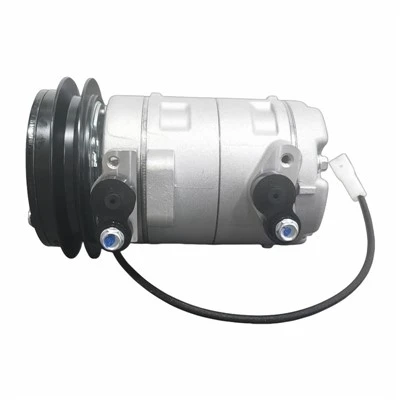
Agricultural AC Compressor If you’re in the market for a reliable automotive compressor or have any questions about the installation process, we’d love to hear from you. Our team of experts can provide you with the technical support and advice you need. Contact us to start a fruitful conversation about your automotive compressor needs.
References
- Automotive Air Conditioning Service Manuals from major vehicle manufacturers
- Industry guidelines on refrigerant handling and compressor installation issued by relevant environmental and automotive associations.
Jiangsu Nuoyan New Energy Vehicle Air Conditioning Co., Ltd.
With abundant experience, we are one of the most professional automotive compressor manufacturers and suppliers in China. We warmly welcome you to buy customized automotive compressor at competitive price from our factory. Also, quotation is available.
Address: No. 7 Xingyuan Road, Huangqiao Economic Development Zone, Taixing City, Jiangsu
E-mail: nuyantech2026@163.com
WebSite: https://www.nuyantech.com/
