Measuring the signal strength of a telecommunication tower is a crucial aspect for both service providers and end – users. As a telecommunication tower supplier, I understand the significance of accurate signal strength measurement in ensuring a high – quality and reliable communication network. This blog will delve into the various methods and tools used to measure the signal strength of a telecommunication tower and why it matters in the modern telecommunications landscape. Telecommunication Tower

Firstly, let’s understand why measuring signal strength is essential. In today’s digital age, people rely on seamless connectivity for various activities such as calling, texting, browsing the internet, and using mobile applications. A weak signal can lead to dropped calls, slow data speeds, and a poor user experience. Therefore, for service providers, maintaining optimal signal strength across their network coverage areas is vital to retain customers and compete effectively in the market. For us as a tower supplier, it helps in ensuring that the towers we provide meet the required standards and performance expectations.
One of the most common methods to measure signal strength is through the use of a signal strength meter. These devices are portable and can be easily carried to different locations within the tower’s coverage area. A basic signal strength meter typically measures the Received Signal Strength Indicator (RSSI), which is expressed in decibels (dBm). RSSI provides a numerical value that represents the power level of the received radio signal. In general, a higher negative dBm value indicates a weaker signal. For example, a signal strength of – 80 dBm is stronger than a signal strength of – 100 dBm.
When using a signal strength meter, it is important to take multiple readings at different points in the coverage area. This is because the signal strength can vary significantly depending on factors such as distance from the tower, the presence of obstacles (such as buildings, trees, or hills), and environmental conditions. By taking multiple readings, we can get a more comprehensive understanding of the signal strength distribution across the area.
Another important factor to consider is the frequency band being used. Telecommunication towers operate on different frequency bands, each with its own characteristics. Higher frequency bands, such as those used for 5G networks, typically offer higher data speeds but have a shorter range and are more susceptible to interference. Lower frequency bands, on the other hand, have a longer range but may offer lower data speeds. When measuring signal strength, it is necessary to use a meter that is compatible with the specific frequency band of the tower.
In addition to using handheld signal strength meters, we can also employ drive – test methods. Drive – testing involves driving a vehicle equipped with specialized testing equipment through the coverage area of the tower. This method allows for a more extensive and continuous measurement of the signal strength along a predefined route. The testing equipment records the signal strength at regular intervals and can generate detailed maps showing the signal strength distribution across the area. Drive – testing is particularly useful for large – scale network planning and optimization, as it provides a real – world view of how the signal behaves in different driving conditions.
Indoor signal strength measurement is also an important consideration. Many people use their mobile devices indoors, and a weak indoor signal can be a major source of frustration. To measure indoor signal strength, we can use portable signal meters or install fixed – location monitoring devices. These devices can be placed in different rooms and floors of a building to assess the signal strength at various points. When measuring indoor signal strength, it is important to take into account the construction materials of the building, as some materials such as concrete and metal can significantly attenuate the signal.
Another advanced technique for measuring signal strength is the use of network scanners. Network scanners are more sophisticated devices than basic signal strength meters. They can not only measure the signal strength but also provide information about other network parameters such as the number of available cells, the type of technology being used (e.g., 4G, 5G), and the quality of the signal. Network scanners are often used by network engineers and technicians for in – depth network analysis and troubleshooting.
As a telecommunication tower supplier, we play a crucial role in ensuring that the towers we provide support optimal signal strength. We work closely with service providers to design and install towers that are strategically located and equipped with the right antennas and other components. Our towers are designed to minimize interference and maximize signal coverage. By using the latest technologies and engineering practices, we can help service providers achieve better signal strength and overall network performance.
Moreover, we offer tower maintenance services to ensure that the towers continue to perform at their best over time. Regular maintenance includes checking the integrity of the antennas, cable connections, and other components, as well as monitoring the signal strength regularly. This proactive approach helps in preventing signal strength degradation and ensuring a reliable communication network.
Accurate signal strength measurement is also important for regulatory compliance. Telecommunication regulatory bodies often set standards for minimum signal strength and coverage in different areas. By measuring the signal strength of our towers, we can ensure that our products and services meet these regulatory requirements. This not only helps in avoiding legal issues but also builds trust with our customers and the regulatory authorities.
In conclusion, measuring the signal strength of a telecommunication tower is a complex but essential task. By using a combination of different methods and tools such as signal strength meters, drive – testing, indoor monitoring, and network scanners, we can get a comprehensive understanding of the signal strength distribution across the coverage area. As a telecommunication tower supplier, we are committed to providing high – quality towers that support optimal signal strength and reliable communication networks.
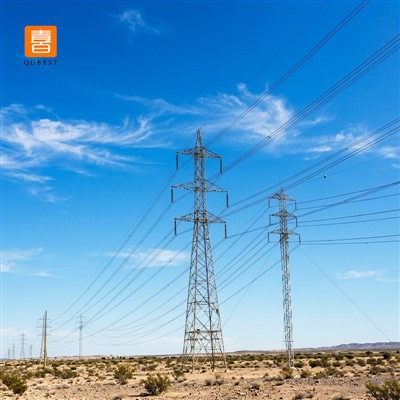
If you are a telecommunication service provider looking for a reliable tower supplier or interested in discussing our tower solutions further, we invite you to contact us for procurement and business – related discussions. We are ready to provide you with detailed information and support to meet your specific network requirements.
Guyed Wire Tower References
- Rappaport, T. S. (2002). Wireless Communications: Principles and Practice. Prentice Hall.
- Andrews, J. G., Buzzi, S., Choi, W., Hanly, S. V., Lozano, A., Soong, A. C. K., & Zhang, J. C. (2014). What will 5G be? IEEE Journal on Selected Areas in Communications, 32(6), 1065 – 1082.
- Goldsmith, A. (2005). Wireless Communications. Cambridge University Press.
Qingdao BEST Steel Structure Co., Ltd.
Qingdao BEST Steel Structure Co., Ltd. is one of the most professional telecommunication tower manufacturers and suppliers in China. We warmly welcome you to buy customized telecommunication tower made in China here from our factory. If you have any enquiry about OEM service, please feel free to email us.
Address: Jiaobei Industrial Park, Qingdao, China
E-mail: sales@qdbsstower.com
WebSite: https://www.qdbsstower.com/
