When it comes to relocating a food production line layout, there are numerous critical factors that need careful consideration. As a seasoned provider of layout solutions for food production lines, I’ve witnessed firsthand the complexities and challenges that such a project entails. In this blog, I will delve into the key aspects that businesses should evaluate when planning to relocate their food production line layout. Layout for Food Production Line

Regulatory Compliance
One of the first and most crucial factors to consider is regulatory compliance. The food industry is highly regulated, and different regions have distinct food safety and hygiene standards. When relocating a production line, it’s essential to ensure that the new layout adheres to all local, national, and international regulations. This includes aspects such as proper ventilation to prevent cross – contamination, adequate space for cleaning and maintenance, and compliance with employee health and safety regulations.
For example, the Food Safety Modernization Act (FSMA) in the United States has specific requirements regarding the design and layout of food production facilities. These include provisions for pest control, sanitation, and the separation of raw and cooked food areas. Therefore, before finalizing the new layout, a thorough review of the local regulatory requirements is necessary. Failure to comply can result in hefty fines, product recalls, and damage to the company’s reputation.
Space Utilization
Effective space utilization is a cornerstone of an efficient food production line layout. The new location should have sufficient space to accommodate all the equipment, storage areas, and employee workstations. A well – planned layout can minimize the distance that raw materials, work – in – progress, and finished products need to travel, thereby reducing handling time and the risk of damage or contamination.
When assessing the space, consider the future growth of the business. It’s advisable to leave some buffer space for potential expansion of production capacity or the addition of new product lines. For instance, if the company plans to introduce a new range of products in the next two to three years, the layout should be flexible enough to incorporate the necessary equipment and processes without major renovations.
Equipment Compatibility
The existing equipment in the food production line must be compatible with the new layout. This involves evaluating the physical dimensions of the equipment, its power requirements, and its connectivity to other machines in the line. Some equipment may need to be re – configured or even replaced to fit the new space and workflow.
For example, if the new layout has a different floor plan, conveyor belts may need to be re – routed or adjusted in length. Additionally, the electrical and plumbing systems in the new location must be able to support the equipment’s power and water needs. Before making any decisions, it’s important to consult with equipment manufacturers or technical experts to ensure a seamless transition.
Workflow Continuity
Maintaining workflow continuity is essential during the relocation process. A disruption in the production flow can lead to significant losses in terms of time and revenue. To minimize downtime, it’s crucial to develop a detailed relocation plan that includes a timeline for moving equipment, reconnecting utilities, and testing the production line.
The new layout should be designed to mimic the existing workflow as closely as possible, ensuring that employees can quickly adapt to the new environment. Conducting training sessions for employees before the relocation can also help in reducing the learning curve and maintaining productivity. For example, if the production line involves a series of sequential processes, the new layout should preserve the same logical flow to prevent bottlenecks.
Supply Chain Integration
The new production line layout should be integrated with the existing supply chain. This means that the location should be easily accessible for suppliers to deliver raw materials and for distributors to pick up finished products. Proximity to major transportation hubs, such as ports, railways, and highways, can significantly reduce transportation costs and lead times.
Moreover, the layout should allow for efficient storage and handling of raw materials and finished goods. For example, having dedicated receiving and shipping areas can streamline the logistics process. Consideration should also be given to the inventory management system, ensuring that it can be easily adapted to the new layout.
Employee Safety and Well – being
Employee safety and well – being are of utmost importance in a food production environment. The new layout should incorporate safety features such as proper lighting, clear evacuation routes, and anti – slip flooring. There should also be sufficient space for employees to move around without the risk of collisions or injuries.
In addition, the layout can be designed to promote employee comfort and reduce fatigue. For example, providing ergonomic workstations and break areas can improve employee morale and productivity. Adequate ventilation and temperature control are also essential to ensure a healthy working environment.
Cost – Benefit Analysis
Finally, a comprehensive cost – benefit analysis is necessary before relocating a food production line layout. The costs associated with the relocation include equipment moving, installation, renovation of the new facility, and potential downtime. On the other hand, the benefits may include reduced operating costs in the long run, improved productivity, and better compliance with regulations.
It’s important to weigh these factors carefully and determine whether the relocation will result in a net gain for the company. Consider conducting a sensitivity analysis to assess the impact of different variables, such as changes in raw material prices or transportation costs, on the overall cost – benefit ratio.
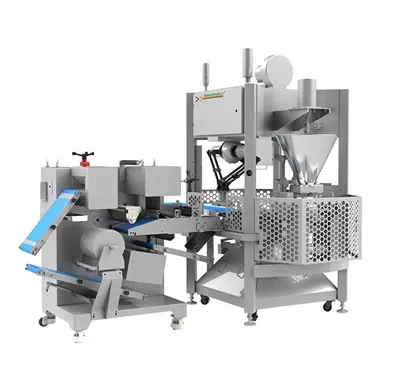
In conclusion, relocating a food production line layout is a complex process that requires careful planning and consideration of multiple factors. Regulatory compliance, space utilization, equipment compatibility, workflow continuity, supply chain integration, employee safety, and cost – benefit analysis are all key aspects that businesses need to address.
Khinkali Machine If you are considering relocating your food production line layout and need expert advice and professional solutions, I’m here to assist you. As a leading provider of layout solutions for food production lines, I have the knowledge and experience to help you design a layout that meets your specific needs and maximizes your production efficiency. Contact me to initiate a procurement discussion, and let’s work together to create a successful food production line layout for your business.
References
- "Food Safety Modernization Act (FSMA) Compliance Guide," FDA Publications.
- "Principles of Efficient Space Utilization in Manufacturing Facilities," Journal of Industrial Engineering.
- "Supply Chain Management Best Practices in the Food Industry," MIT Press.
Chengdu Wonderful Serendipity Food Machinery Co., Ltd.
Chengdu Wonderful Serendipity Food Machinery Co., Ltd. is one of the most professional layout for food production line manufacturers and suppliers in China. If you’re going to buy discount layout for food production line made in China, welcome to get more information from our factory. Also, customized service is available.
Address: No. 51 Tianxiang Road Back Street, Tianxiang Road Community, Wanchun Town, Wenjiang District, Chengdu City, Sichuan Province (206-99)
E-mail: nancy@cdwsfm.com
WebSite: https://www.cdwsfm.com/
